 TRY BOTTLELESS WATER TODAY FOR FREE!
What School Water Fountains Taught Us About Filtration — and What to Do at Home
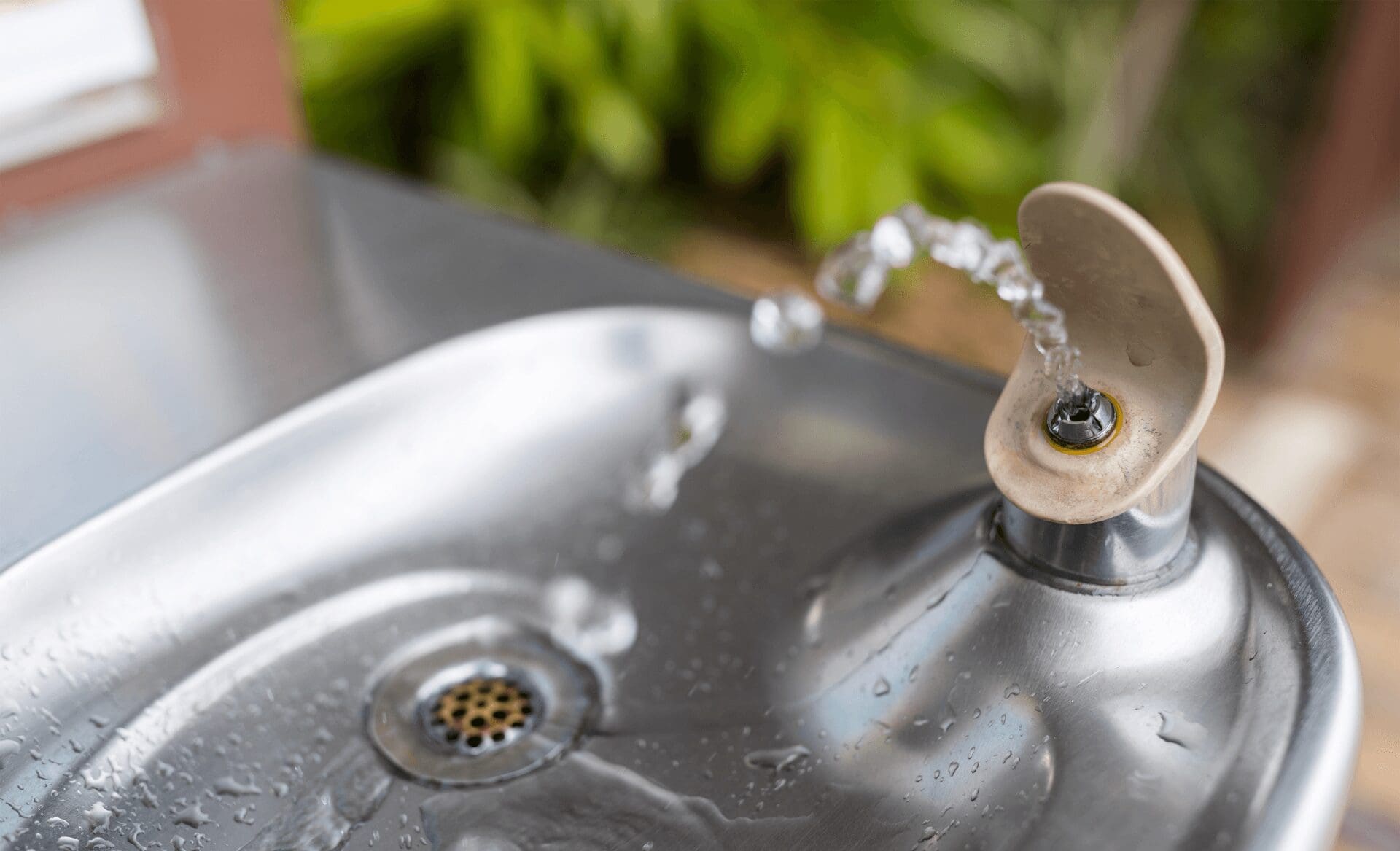
Every fall, millions of kids head back to school and spend their days drinking from water fountains. For most of them, that water comes straight from the same municipal supply that feeds their home tap — with no additional treatment.
Water fountain filtration has improved in many school districts over the years, and many newer installations include carbon filtration or bottle-filling stations with filters. But the quality and consistency of that filtration varies widely, and it is not something most parents think to ask about.
The back-to-school season is a good time to think about the water habits your kids are building and whether the water at home is helping or making it harder.
What School Water Systems Typically Do and Don’t Do
Most public schools in Texas receive water from the same municipal supply as surrounding homes and businesses. That supply is treated and tested to meet EPA drinking water standards — the same standards that apply everywhere else. The compliance threshold, as we have covered before, is not the same as a guarantee of no detectable contaminants. It means the water meets legal limits.
Many school districts have invested in upgraded fountain filters in recent years, particularly following national attention on lead contamination in school plumbing infrastructure. Lead is a concern in older buildings where plumbing was installed before current standards, and lead from pipes can dissolve into water even when the source supply is clean.
Whether a particular school has filtered fountains, and whether those filters are maintained on a regular replacement schedule, is something worth asking your school district about. Most districts will have a facilities contact or a water quality page that can answer that question.
What Kids Are Getting at Home
The water your children drink at home is the one variable you have direct control over. And given that a significant portion of a child’s total daily water intake happens at home — in the morning before school, after school, and throughout the evening — the quality of your home’s drinking water matters.
Children are not simply small adults when it comes to water quality risk. Pound for pound, they drink more water relative to their body weight, which means their exposure to any contaminants present in that water is proportionally higher. Their developing systems are also more sensitive to certain compounds — a fact that drives more protective health guidelines for children in categories like nitrates and lead.
What a Home RO System Changes
A reverse osmosis system installed at the kitchen sink provides filtered water on demand for drinking, cooking, and making beverages. For a household with school-aged children, that means:
Drinking water that has been through a certified multi-stage filtration process, reducing contaminants including arsenic, disinfection byproducts, nitrates, and lead. Water that tastes noticeably cleaner — which matters because children who do not like the taste of their water drink less of it. A consistent, convenient source of quality water that does not require anyone to plan ahead or remember to buy bottles.

Many Kinetico K5 systems also connect directly to refrigerator water and ice dispensers, which means filtered water is available at every point in the kitchen where kids typically reach for it.
Building the Habit Early
One underappreciated benefit of high-quality home water is its impact on hydration habits. Children who grow up with clean, good-tasting water available at home are more likely to reach for water as their default drink — a habit that has long-term health benefits that extend well past childhood.
Conversely, children who experience tap water that tastes of chlorine or has a flat, mineral aftertaste often default to juice, flavored drinks, or bottled water when they are thirsty. Not because they are making a considered health decision, but because the water does not taste appealing. Filtration removes that barrier.
A Practical September Action
As the school year gets underway and routines settle in, it is a natural time to evaluate the water habits your household has built. If your kids are reaching for bottled water or flavored drinks instead of the tap, ask yourself whether the tap water is actually appealing to drink. If it is not, that is a solvable problem.
Aqua Clear Water Solutions offers free water consultations and installs Kinetico drinking water systems for homes throughout McAllen and the Rio Grande Valley. Contact us today to get started.