 TRY BOTTLELESS WATER TODAY FOR FREE!
The Certification Nobody Talks About

What NSF/ANSI Really Means for Your Water System
When you shop for a water treatment system, you will encounter a lot of claims. Removes 99.9 percent of contaminants. Certified performance. Laboratory tested.
What most of those phrases have in common is that they tell you very little unless you understand the certification behind them.
NSF/ANSI certification is the standard that actually matters — and understanding what it means can change how you evaluate every water treatment product you look at. So, before you purchase your next home or office water filtration system, here are a few things you need to know from the team at Aqua Clear Water Solutions.
What NSF Is
NSF International is an independent, non-profit organization that develops public health standards and certifies products that meet those standards. It is one of the organizations accredited by the American National Standards Institute, which is where the ANSI in NSF/ANSI comes from.
When a water treatment product carries an NSF/ANSI certification, it means the product was independently tested against a published standard — not just by the manufacturer, but by a third-party lab with no financial stake in the outcome. The product had to demonstrate that it performs as claimed before it was allowed to carry the mark.
The Key Standards for Water Treatment Systems
Different NSF standards apply to different types of water treatment products. The ones most relevant to residential and commercial water treatment are:
NSF/ANSI 44 applies to cation exchange water softeners — the category that covers most residential water softeners, including Kinetico systems. It sets requirements for materials safety (what the system is made of cannot leach harmful substances into the water), structural integrity, and performance claims. A softener certified to NSF/ANSI 44 has been verified to reduce hardness to the levels the manufacturer states.
NSF/ANSI 58 applies to point–of-use or reverse osmosis drinking water treatment systems. It covers materials safety and contaminant reduction claims. If a manufacturer states that an RO system reduces arsenic, lead, nitrates, PFAS compounds, or other specific contaminants, those claims must be tested and verified to meet NSF/ANSI 58 requirements. A system without this certification may be making those reduction claims based solely on the manufacturer’s own data.
NSF/ANSI 42 applies to systems that treat aesthetic water quality — primarily taste, odor, and chlorine reduction. Carbon filters and many whole-home systems carry this certification. It confirms the system does what it says for those specific parameters.
Why Third-Party Testing Matters
The alternative to third-party certification is self-reported performance data. A manufacturer tests its own product, publishes the results, and markets on the basis of those results. This is not inherently dishonest — many manufacturers conduct rigorous internal testing. But the absence of independent verification means there is no external check on the methodology, the conditions, or the accuracy of the claims.
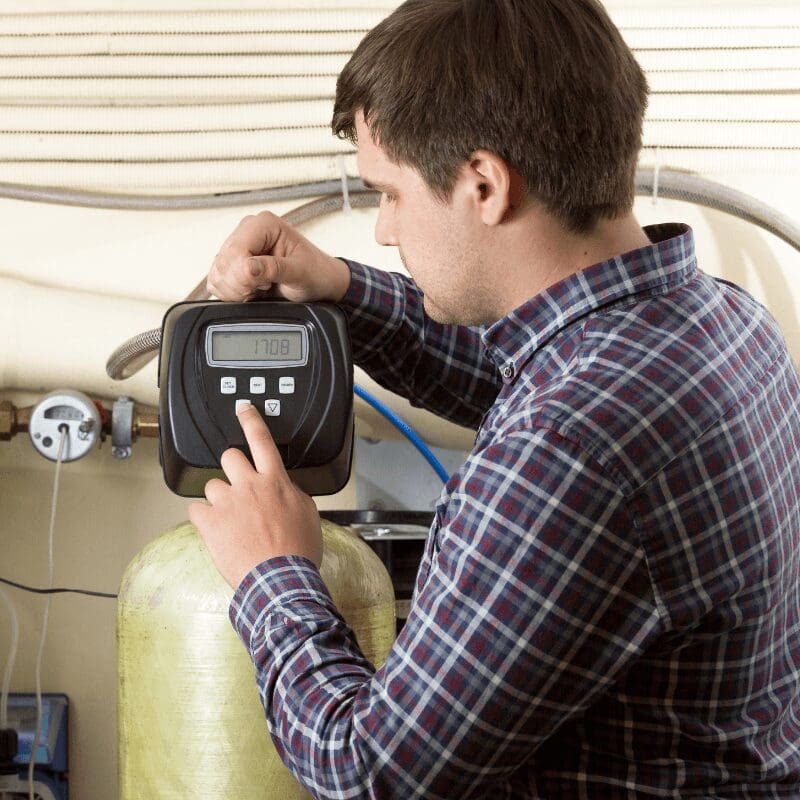
Third-party certification changes that dynamic. An independent lab tests the product under standardized conditions and confirms — or does not confirm — that the performance claims hold up. If the product fails, it does not receive the certification. The certification is only renewed if the product continues to meet the standard over time, which is why certified manufacturers undergo periodic audits.
What Kinetico Certification Means in Practice
Kinetico water systems carry NSF/ANSI certifications for the relevant categories. When Aqua Clear installs a Kinetico water softener or a Kinetico drinking water system, the performance claims attached to that system have been independently verified — not just by Kinetico, but by a third-party lab accountable to a published national standard.
For homeowners or business owners comparing systems, that is a meaningful data point. It is the difference between a claim and a verified claim. And in a category where the stakes involve what you and your family drink every day, that distinction is worth understanding.
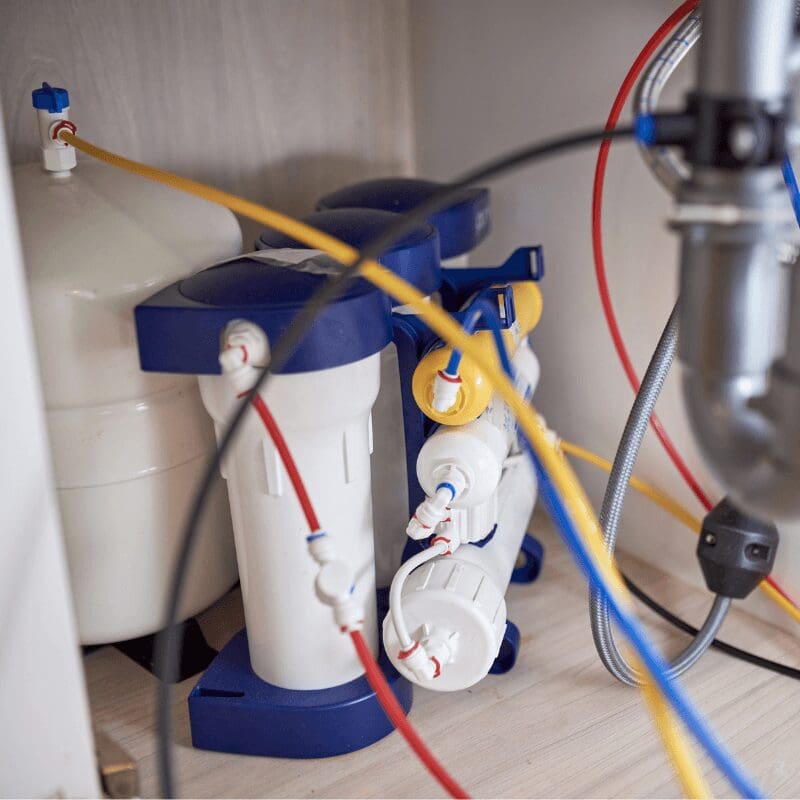
How to Check for Certification
NSF maintains a publicly searchable database of certified products at nsf.org. If you want to verify that a specific product carries the certification it claims, you can look it up by brand or model name. The listing will show which standard applies and what specific claims have been certified.
When comparing any water treatment product — whether from Aqua Clear Water Solutions or any other provider — this is a useful tool to use before making a purchasing decision.
If you have questions about NSF certification or want to understand what certified systems are available for your home or business, Aqua Clear offers free water testing and consultations across McAllen and the Rio Grande Valley. Contact us today to get started!