 TRY BOTTLELESS WATER TODAY FOR FREE!
Chlorine vs. Chloramine
What’s in Your Tap (& How to Treat It)
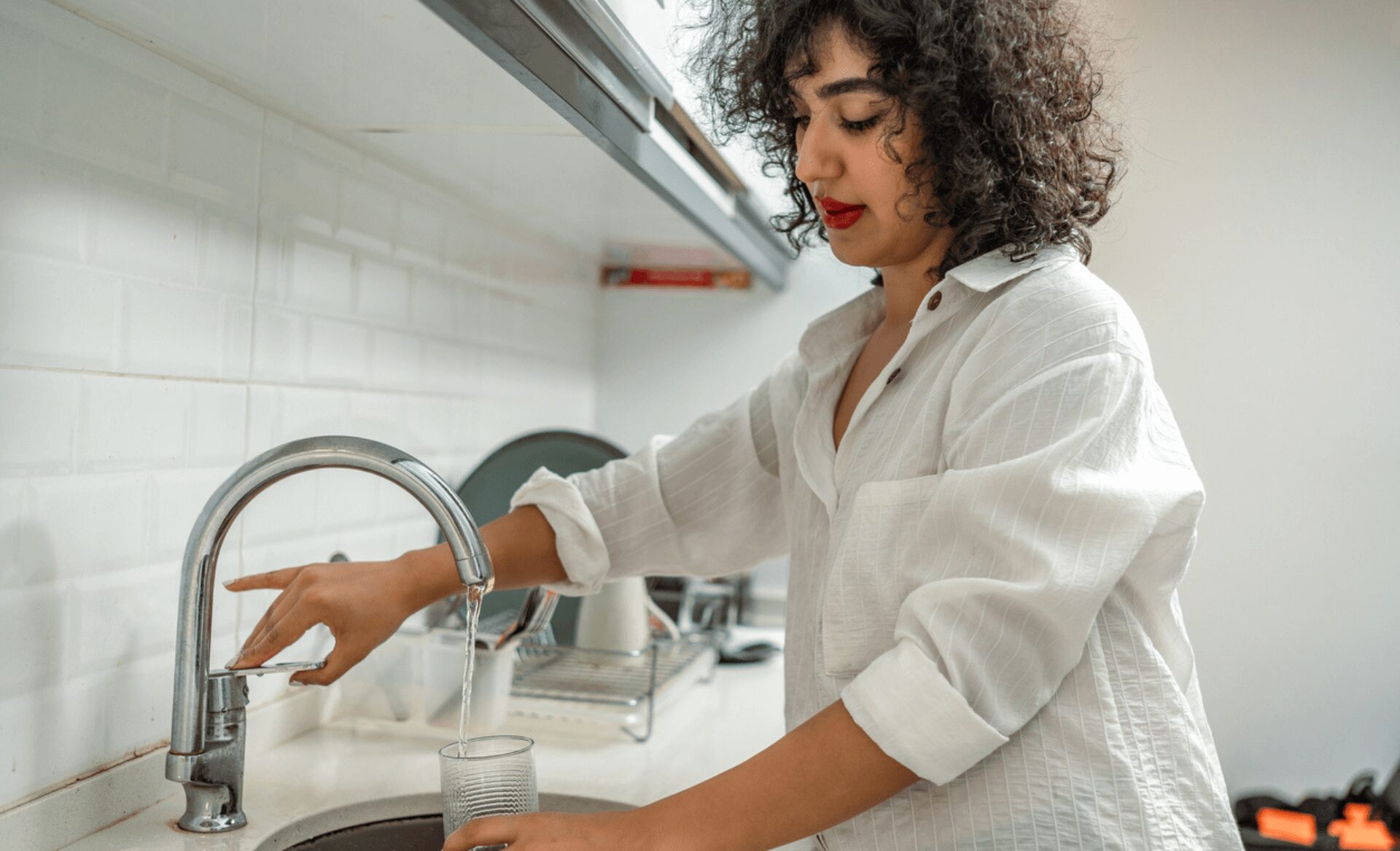
If your kitchen tap sometimes smells like a hotel pool or your ice tastes a little medicinal, you’re not being picky, you’re picking up on how your water is disinfected. Around McAllen and across the Rio Grande Valley, utilities commonly use free chlorine and ammonia or chloramine in drinking water to keep it safe as it travels to your home. Although safe for humans, it can leave behind a bad taste, odor, and skin/hair irritation you’d rather not deal with. And yes, there are smart ways to fix it.
At Aqua Clear Water Solutions, we help families just like yours decode what’s in their tap, then dial in the right treatment. whether that’s a whole-home system, a catalytic carbon filter, or a crisp drinking water solution at the sink. Let’s unpack chloramine vs chlorine (and yes, we’ll hit the “chloramine vs chlorine” spelling you’ve seen on Google searches, too) so you can choose the best path to better-tasting water.
Chlorine 101: The Classic Disinfectant
Chlorine is the old reliable. It’s strong, effective, and relatively easy for municipal systems to manage. Because it’s so reactive, though, it tends to dissipate faster – great for taste, not always great for long distribution systems. If you notice a sharp “pool” smell when you first turn on the tap, that’s usually free chlorine flashing off.
Why homeowners notice it:
- Distinct taste and odor in cold drinks and coffee.
- Dry, tight skin and frizzy hair after showers.
- Faster equipment corrosion in some situations (especially at higher temperatures).
The upside: chlorine is typically easier to remove at the point of use. A properly sized carbon filter or reverse osmosis (RO) system can make short work of it.
Chloramine 101: The Longer-Lasting Blend
Chloramine is chlorine bonded with ammonia. Utilities like it because it’s more stable across long pipe runs, which is why more Texas cities have adopted Texas chloramine systems in recent years. The tradeoff is taste: chloramine is less “pool-like,” but it lingers – so you can still get flat, medicinal flavors. It also behaves differently in treatment.
Why homeowners notice it:
- Subtle, stubborn taste and odor that doesn’t disappear with a basic pitcher filter.
- Lingering smell in ice and tea.
- Sensitive skin noticing more dryness or irritation.
The big difference for your home: Chloramine is harder to remove than chlorine with standard carbon. That’s where catalytic carbon (a more reactive, engineered carbon) and properly designed systems come in.
Chlorine vs. Chloramine: Which Do I Have?
You don’t have to guess. Your city’s annual Consumer Confidence Report will tell you, and we can check on-site during a free water test. In McAllen and around the RGV, we see both approaches, and sometimes seasonal changes, so it pays to verify. If you’ve been swapping filters with little improvement, there’s a good chance you’re trying to treat chloramine with the wrong media.
Why Taste and Odor Aren’t “Just Cosmetic”
We hear this a lot: “It’s safe, so why bother?” Safe is the floor, not the ceiling. If you’re drinking less water because it tastes off, that’s a health habit problem. If your kids won’t touch tap water without flavor packets, that’s a cost and plastic problem. And if your espresso machine is scaling up while your skin turns flaky, that’s a quality-of-life problem. You deserve water you want to drink.
For the record, disinfectants are necessary in public systems. But the “last mile” (your home) is the perfect place to polish water for taste, odor, and comfort – without compromising safety.
The Right Fix Depends on the Disinfectant
Here’s where treatment gets practical. The goal is simple: protect your whole home from taste/odor and make drinking water great, not just tolerable.
For Chlorine:
A standard whole-home carbon system sized to your flow rate will usually handle chlorine taste and odor for showers, laundry, and cooking. Pair it with a drinking water filter (like RO) at the kitchen sink for flawless coffee, tea, and ice. Most families notice better-smelling showers within a day.
For Chloramine:
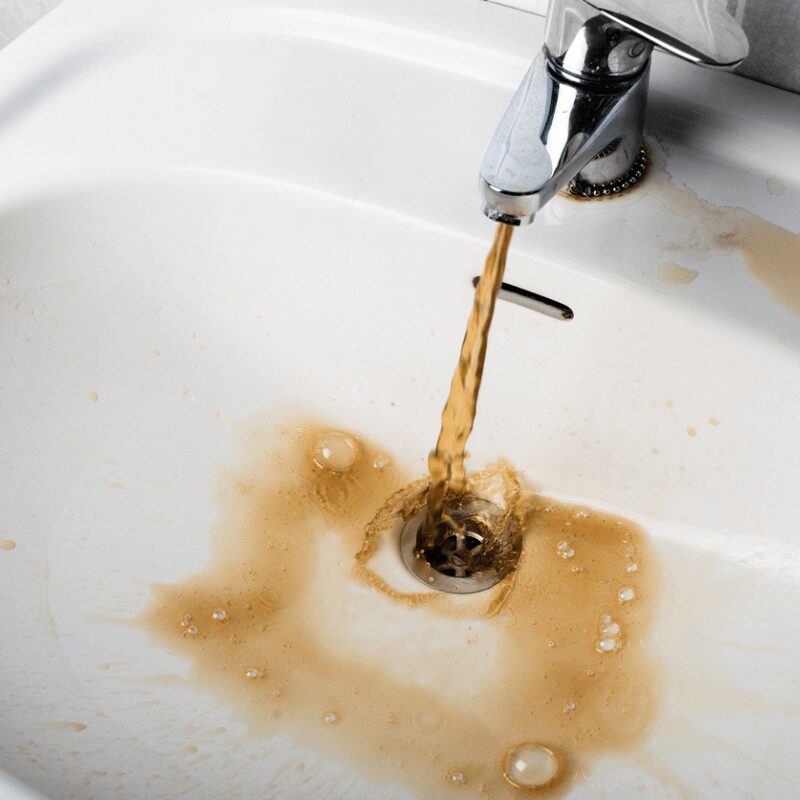
Chloramine needs a different playbook. A catalytic carbon filter provides the surface activity needed to break down chloramine effectively. Two keys matter here:
- Contact time (how long water sits in the media), and
- Media quality and volume (so it keeps working for years, not months).
For drinking water, an RO system with the right pre-filters finishes the job, and polishes taste to “bottle-quality” (without the bottles).
If you’ve Googled “chloramine vs chlorine,” you’ve already seen the confusion. Bottom line: treat what you actually have, not what a generic filter promises.
But What About My Skin, Hair, & Appliances?
You’re not imagining the difference a shower filter makes – removing free chlorine and chloramine can help skin feel less tight and hair less brittle. On the appliance side, disinfectants aren’t the only culprit; water hardness in the Valley is high, so pair taste/odor treatment with a Kinetico water softener to protect water heaters, dishwashers, and fixtures. Softer water uses less soap, rinses cleaner, and leaves glassware spot-free. Your towels will feel different. Your shower doors will look different. Your shampoo will actually lather.
Why Pitchers & “Fridge Filters” Struggle
They’re convenient, but they’re not designed for the realities of chloramine in drinking water or McAllen’s flow demands. Small cartridges have limited media and minimal contact time. They can remove the chlorine from the water, but they rarely remove chloramine. If your ice still tastes “funny,” your refrigerator filter is probably outmatched.
Our Approach: Test, Target, Treat
We’ll start, as we always do, with a quick water test and a conversation about how you use water at home. Then we’ll size the system to your family and your plumbing – not a one-size-fits-all box. In homes running chloramine, we typically recommend:
- A whole-home catalytic carbon filter to address chloramine at every tap.
- A drinking water filter (RO) at the kitchen sink for perfect taste and ice.
- A Kinetico water softener to tackle hardness that beats up appliances and dries out skin.
That trio handles what you can taste, what you can feel, and what you can’t see – without killing your water pressure or turning maintenance into a side hustle.
What About Businesses in the Valley?
Restaurants, cafés, salons, coffee roasters, dental offices – your water shows up in the experience. Chlorine and chloramine can flatten flavors, mess with espresso extraction, and add off notes to tea and ice. We design commercial-grade filters that protect equipment and elevate taste. Your customers notice the difference, even if they can’t name it.
“Do I Need to Treat the Whole House or Just the Kitchen?”
It depends on your goals. If taste is the only priority, a point-of-use solution at the sink might be enough. But if you care about showers, laundry, and protecting fixtures, and if you’re dealing with chloramine, a whole-home system is the clean, no-compromise answer. Many families start with drinking water, then add whole-home filtration once they feel the difference.
The Clear Choice for Better-Tasting, Better-Feeling Water
Chloramine vs chlorine isn’t a chemistry lecture – it’s the reason your iced tea tastes off, and your kids won’t drink from the tap. Treating your water with the right disinfectant and the right filter makes your water taste cleaner, your showers feel better, and your home run more smoothly. If you’ve been searching for “Texas chloramine systems” or debating the value of a catalytic carbon filter, you’re exactly who we designed these solutions for.
Ready to Love Your Tap Again?
We’ll test your water, explain your options in plain English, and install a system that fits your home and your budget. From water softener systems to drinking water filters to commercial-grade filters for businesses, we’ve got the Valley covered. Contact us at 956-322-8215 to schedule your free water test and consultation.