 TRY BOTTLELESS WATER TODAY FOR FREE!

Does Your Water Make Your Tamales Taste Different?
A Cook’s Guide to Water Chemistry
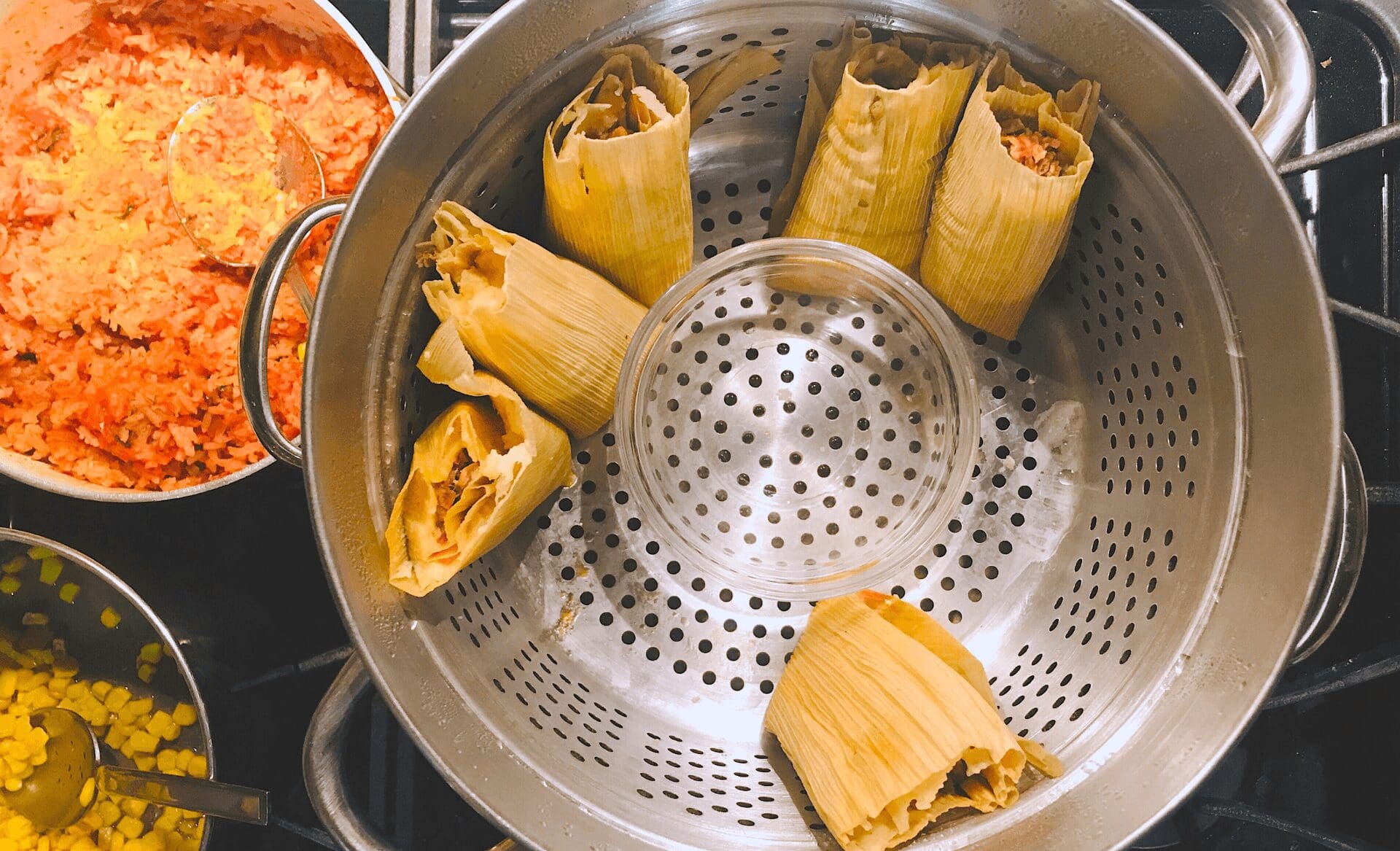
In South Texas, tamale season is serious. The ingredients get planned weeks ahead. The masa gets debated. The filling gets perfected. The process is a family affair that can stretch across an entire weekend, and the results get compared across generations with the kind of honesty only family can deliver.
What most people do not think about — but what actually affects the outcome — is the water. Not dramatically in most cases, but measurably. And in a dish where consistency matters as much as tamales, measurably is worth paying attention to.
At Aqua Clear Water Solutions, we talk a lot about what is in Rio Grande Valley tap water and what filtration can do for drinking and daily use. But the kitchen is where water quality shows up in ways that are surprisingly personal — in the texture of your masa, the clarity of your broth, the way your beans come together after a long simmer. This time of year, that conversation feels especially relevant.
How Water Chemistry Affects Cooking
Water is an ingredient. It participates in cooking reactions rather than just carrying other things. The minerals dissolved in it, the disinfectants used to treat it, and the overall mineral content all interact with food in ways that affect flavor, texture, and even color.
Hard water — water with high concentrations of calcium and magnesium minerals, which is the norm throughout the Rio Grande Valley — affects cooking in a few specific ways. It slows the softening of dried beans and other legumes. The calcium in hard water strengthens pectin in cell walls, which is the mechanism that holds beans together, and it competes with the cooking process. Beans cooked in very hard water take longer to become tender and can end up with a slightly firmer texture even when fully cooked.
For masa, the base of the tamale, the interaction is different. Hard water can affect the hydration of masa harina and the final texture of the dough. Many experienced cooks who have switched to filtered water report that masa feels slightly more workable and produces a more consistent spread. The difference is subtle — not the difference between a good tamale and a bad one — but it is the kind of difference that experienced cooks notice.
What Chlorine and Disinfectants Do to Flavor
Municipal tap water in McAllen and throughout the RGV is disinfected — as it should be. That disinfection process uses chlorine or chloramine compounds, which remain in the water in small concentrations when it comes out of the tap.
Chlorine in particular is volatile, which means it dissipates when water is heated or when it sits exposed to air. This is why many experienced cooks leave tap water out overnight or boil it before using it in recipes where the chlorine taste would be detectable.

Chloramine is more stable and does not dissipate the same way with heating or air exposure. Some municipalities in the region use chloramine rather than free chlorine because it provides longer-lasting disinfection through the distribution system. For cooking, that means the disinfectant flavor is more persistent than with chlorine alone.
Filtered water — particularly water that has been through activated carbon or RO filtration — removes both chlorine and chloramine before it reaches the tap. The flavor profile of the water is cleaner going in, which means it does not contribute off-notes to whatever you are cooking.
The Broth Argument
The most direct way water quality shows up in cooking is in broth. Whether you are making the broth to spread on masa, simmering pork filling, or making a pozole base, the water is carrying flavor throughout the process. Mineral content affects the way fats and proteins interact during long simmers. Disinfectant residue can contribute to the flat or slightly chemical background note that some homemade stocks have even when the ingredients are excellent.
Cooks who switch to filtered water for their broth-based cooking often describe the result as cleaner — a clearer baseline flavor that lets the actual ingredients come forward. It is the kind of difference that is easier to taste than to explain.
The Practical Approach
You do not need a filtration system to test whether your water is affecting your cooking. The easiest experiment is to cook the same dish twice — once with your current tap water and once with water from a reverse osmosis dispenser or high-quality filtered source — and compare the results side by side. Many people who run this experiment in their own kitchen find the answer persuasive.
A Kinetico K5 reverse osmosis system at the kitchen sink provides filtered water on demand for drinking and cooking — the same tap, the same convenience, with a measurable difference in what is in the water. For households that cook seriously, particularly during the holiday season when tamales, menudo, ponche, and other water-intensive dishes are on the menu, the kitchen sink is a natural place to start.
Aqua Clear Water Solutions offers water filtration systems that are sure to enhance your kitchen and cooking experience. Ready to dive in? Contact our team today!