 TRY BOTTLELESS WATER TODAY FOR FREE!
Hurricane Season and Your Water
What South Texas Homeowners Need to Know
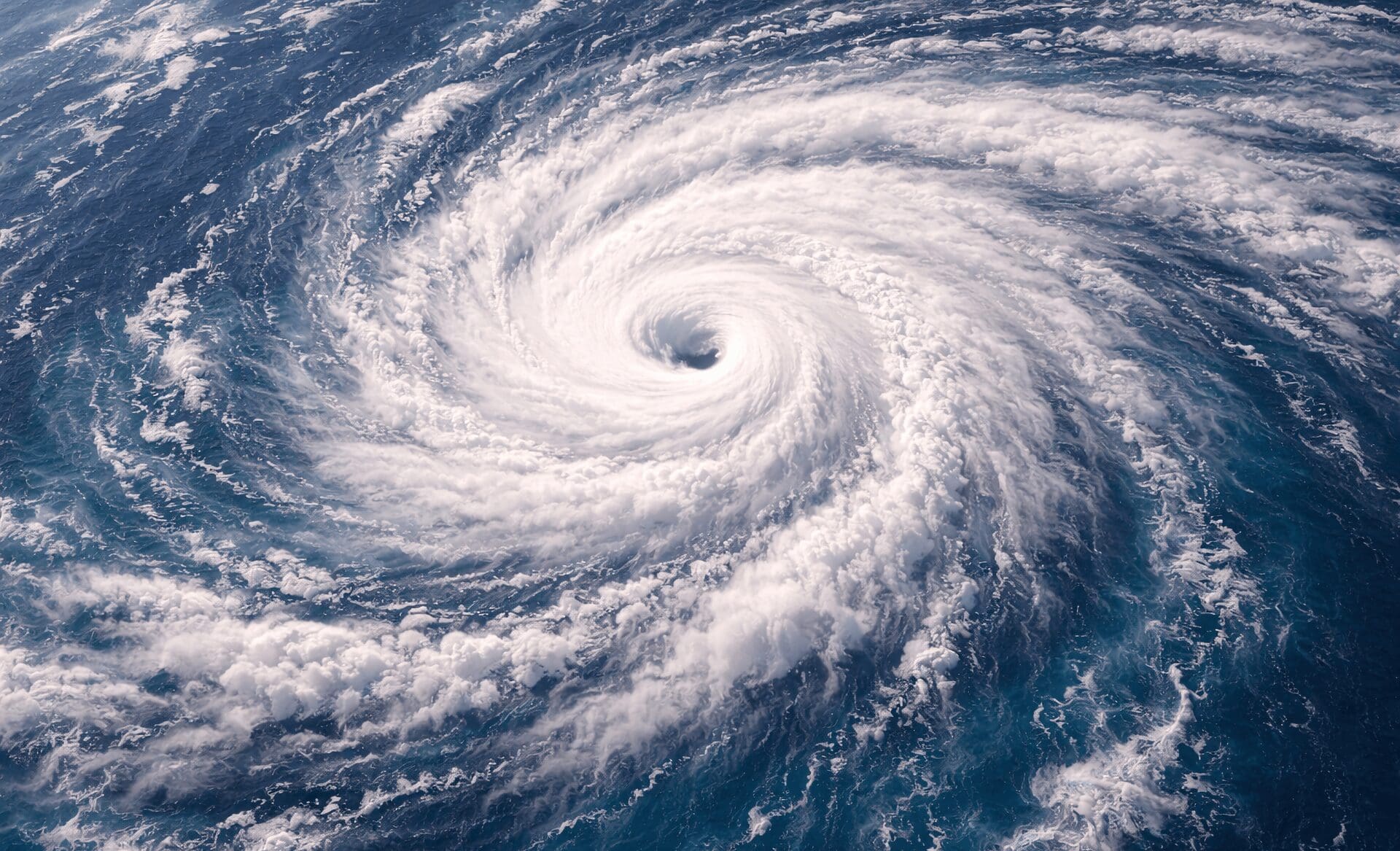
Hurricane season in South Texas is not a distant abstraction. The Gulf Coast proximity, the flat terrain, and the frequency of tropical weather events in the region make storm preparedness a practical matter for homeowners in McAllen, the Rio Grande Valley, and throughout the surrounding area.
Emergency checklists cover batteries, food, and fuel. Water — how much to store, what happens to your supply during and after a storm, and what your home’s treatment system means for your safety — gets less attention than it deserves. So, before the next storm hits, here’s what Aqua Clear Water Solutions wants you to know and how you can set your home up with a safe, clean, reliable source of water, even after the storm.
What Happens to Municipal Water During a Storm Event
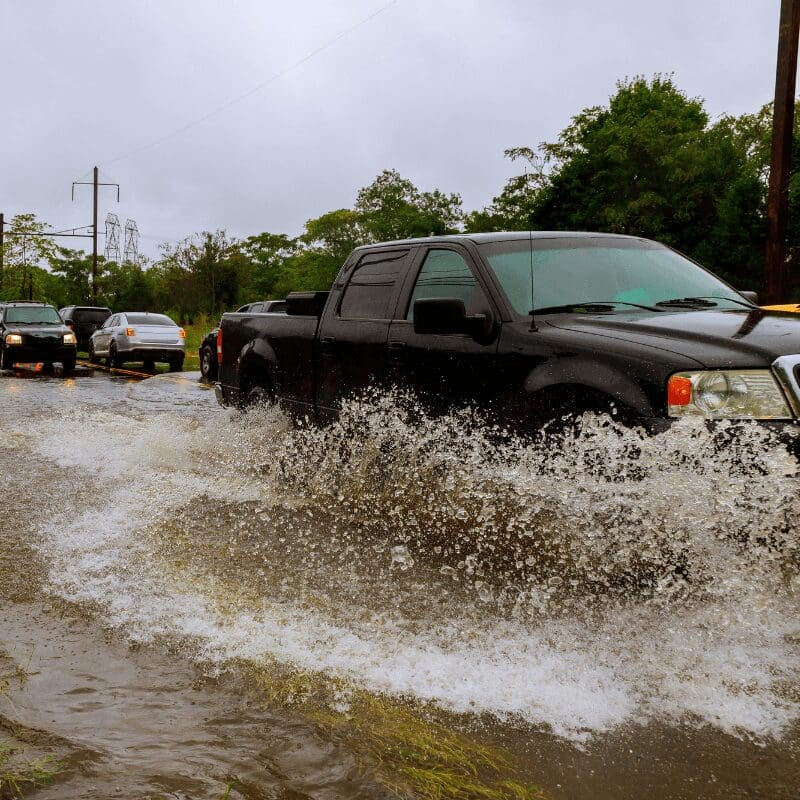
Municipal water systems are designed to be resilient, but they are not immune to storm impacts. Heavy flooding can overwhelm stormwater systems, allowing surface runoff — which can carry bacteria, agricultural chemicals, and other contaminants — to infiltrate the water distribution system.
Power outages affect the pumps and treatment facilities that keep municipal systems pressurized and treated. When system pressure drops significantly, the risk of contaminant intrusion into the distribution pipes increases. This is one of the primary reasons utilities issue boil water notices after major storm events — not because they know contamination has occurred, but because the conditions created a risk that they cannot immediately verify has been avoided.
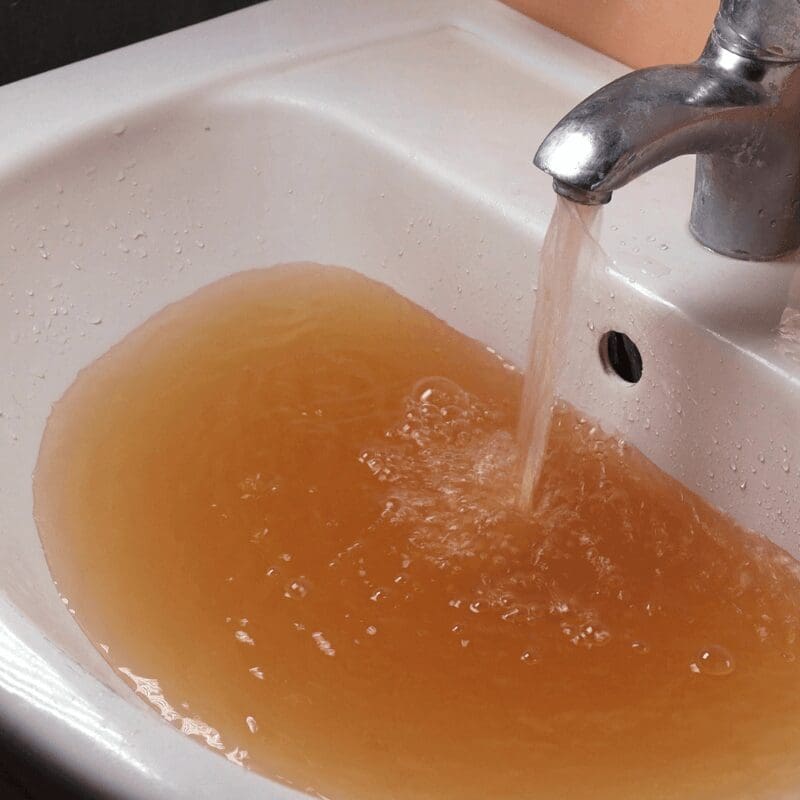
In areas with older infrastructure, flooding and pressure changes can also dislodge sediment, biofilm, and corrosion products from inside distribution pipes, temporarily changing what comes out of the tap.
What a Boil Water Notice Means & What to Do
A boil water notice is a precautionary public health measure. It does not necessarily mean contamination has been confirmed — it means conditions have made it difficult to ensure the water is safe without additional treatment.
During a boil water notice, tap water should be boiled for at least one minute before use for drinking, cooking, making ice, or brushing teeth. Water that has been boiled and cooled can be used normally for those purposes.
A whole-home filtration system does not replace boiling during an active boil water notice if the concern is biological contamination. Biological contaminants — bacteria and viruses — require specific filtration technologies, and most residential carbon and RO systems are not rated to eliminate all biological risks during a confirmed contamination event. Boiling remains the most reliable method under those conditions.
Where Home Filtration Fits In
What a well-maintained home filtration system does provide — before, during, and after a storm event — is a meaningful layer of protection for the contaminants that remain after a boil water advisory is lifted.
When municipal treatment is restored, and the boil water notice is lifted, tap water quality can remain temporarily affected. Sediment that was dislodged during the event may still be clearing. Elevated disinfectant levels used to restore system integrity may be detectable in taste and odor. A whole-home filter with an active carbon stage will address those residual taste and odor issues and can help with sediment.
A reverse osmosis system at the kitchen sink provides an additional stage of protection for your drinking and cooking water in the days and weeks following a storm event, when system recovery is still in progress.
Storing Filtered Water Before a Storm
One practical advantage of having a home RO system before storm season arrives is the ability to store high-quality filtered water in advance. Filling clean, sealed containers with RO-filtered water before a storm makes that water available during an outage, when you may not have power or reliable tap access.
FEMA recommends at least one gallon per person per day for a minimum of three days as an emergency water supply. For a family of four in South Texas summer heat, a more generous reserve is wise. Having clean filtered water stored and ready is significantly less expensive and more convenient than buying bottled water when storm warnings start appearing.
The Long View
Storm preparedness is a year-round consideration in South Texas, not a September project. The investments that matter most — a reliable filtration system, stored water, knowledge of what your local utility’s boil water procedures look like — are ones that pay dividends in peace of mind long before any storm appears on the forecast.
Aqua Clear Water Solutions installs Kinetico water filtration systems and drinking water systems for homeowners throughout McAllen and the Rio Grande Valley. If your home’s water system could use an upgrade, contact our team today!