 TRY BOTTLELESS WATER TODAY FOR FREE!
Hydration Math: How Much Water Does a McAllen Summer Actually Demand?
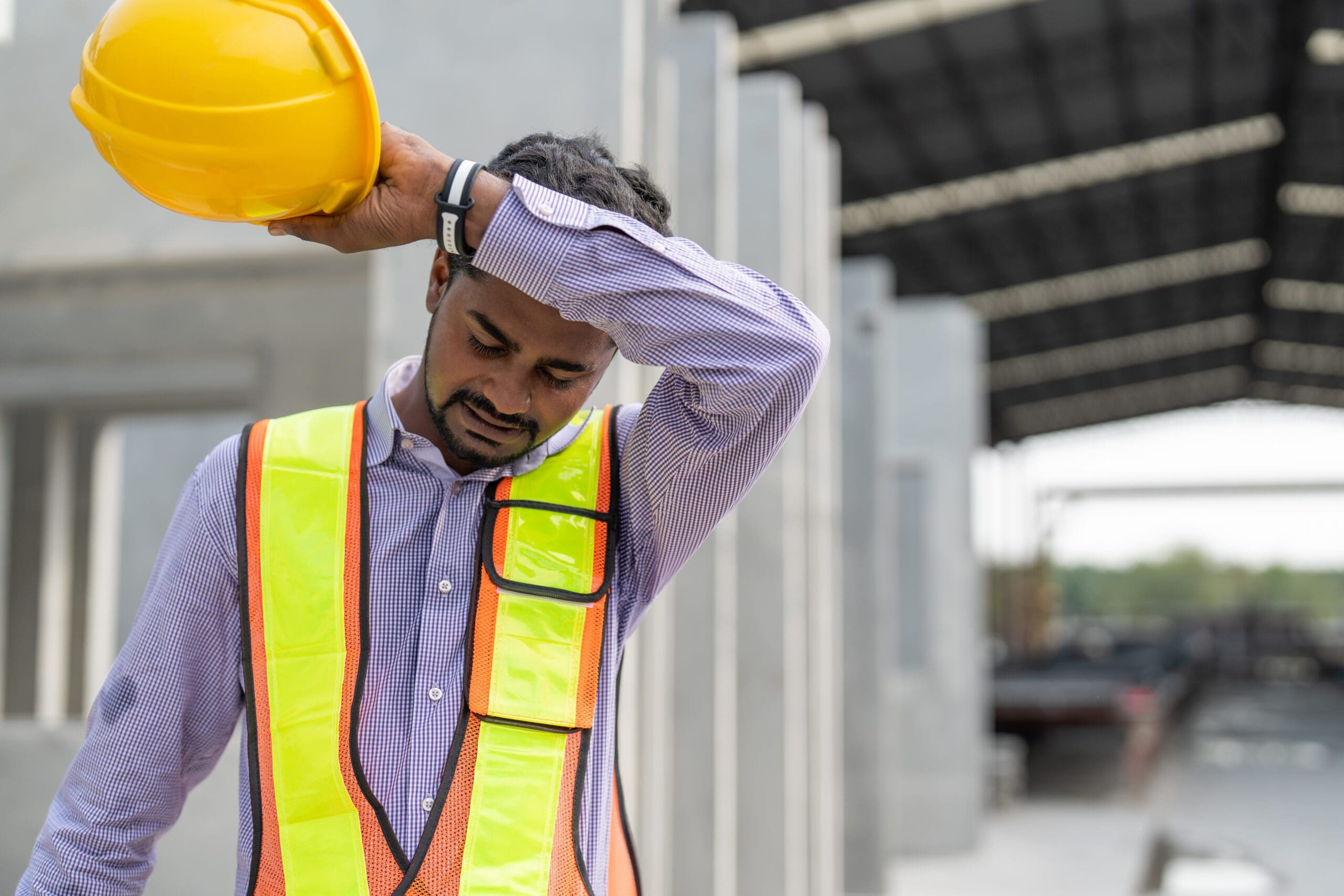
Summers in McAllen, TX, are not a casual season. Temperatures regularly push past 100 degrees, humidity adds to the burden, and the combination of heat and outdoor activity can deplete your body’s water stores faster than most people realize.
Hydration recommendations from national health organizations are a starting point — but they were not written with a McAllen July in mind. Thankfully, you’ve got the team here at Aqua Clear Water Solutions looking out for you. Here is how to think about water intake when the Rio Grande Valley heat is doing its worst.
The Baseline: What General Guidelines Say
The National Academies of Sciences recommends an average of 3.7 liters of total daily water intake for adult men and 2.7 liters for adult women, including water from all food and beverage sources. About 80 percent of that typically comes from drinks, putting the drinking target at roughly 3 liters for men and 2.2 liters for women under normal conditions.
Normal conditions, of course, do not include working outdoors in triple-digit heat, playing sports on turf that absorbs heat from above and below, or spending extended time in South Texas humidity that makes sweat less effective at cooling you down.
How Heat Changes the Math
When the ambient temperature rises, your body’s cooling system (aka: sweating) kicks in more heavily. Sweat rates in high heat can reach one to two liters per hour during moderate physical activity. At those rates, the baseline hydration targets become a floor rather than a goal.
Add humidity to the equation, and the picture gets more complex. High humidity slows sweat evaporation, reducing its cooling efficiency and keeping your core temperature elevated longer. Your body compensates by sweating more, which increases fluid loss even when the activity level stays the same.
A good practical rule for active adults spending time outdoors in McAllen’s summer heat: add at least 1 to 1.5 liters of water for each hour of activity beyond light walking. In truly intense conditions like outdoor construction, athletic training, and agricultural work, that number needs to go higher.
Signs You Are Behind on Hydration
Thirst is a real signal, but it is a lagging indicator. By the time you feel thirsty, you are already mildly dehydrated. In Texas summer heat, staying ahead of thirst rather than responding to it is the more effective strategy.
Darker urine is a more reliable signal — pale yellow is the target. Headaches, fatigue that feels disproportionate to your activity level, and difficulty concentrating are also common early markers of inadequate fluid intake.
For children and older adults, those signals can be less obvious or arrive later, which is why proactive hydration habits matter more for those groups.

Water Quality & Hydration: More Connected Than You Think
Here is something that does not get enough attention: the quality of the water you are drinking affects how much of it you actually drink. If your tap water has a noticeable taste from chlorine, disinfection byproducts, or minerality, you are more likely to underdrink, grab something flavored, something bottled, or simply less than you need rather than reach for the tap.
This is not a small thing during a South Texas summer. If the water coming out of your faucet tastes clean and pleasant, you are more likely to drink enough of it. If it does not, there is a real behavioral cost.
A Kinetico reverse osmosis system removes the contaminants and disinfectants that contribute to off-tastes in local tap water, producing water that most people find noticeably more appealing to drink. That is not a marketing claim — it is a practical consequence of reducing dissolved solids and disinfection byproducts. And when you are trying to stay adequately hydrated through a McAllen summer, every barrier to drinking enough water matters.
Hydration Tips That Work in South Texas
Start early. Drinking water before you are in the heat is more effective than trying to catch up after you are already sweating. A large glass of water first thing in the morning sets a useful foundation.
Keep water accessible and cold. In extreme heat, cold water is absorbed more quickly by the body and is generally more appealing to drink. A filtered water dispenser at home or a bottleless cooler in your workspace makes it easy to stay on pace.
Do not rely on thirst alone. Set reminders if needed, particularly for children and older family members who may not reliably communicate thirst.
You should also try to limit alcohol and caffeine during peak heat hours. Both of which have diuretic effects that increase fluid loss and complicate hydration math when heat stress is already high.
Aqua Clear Water Solutions installs drinking water systems for homes and businesses across McAllen and the Rio Grande Valley. If you are interested in improving your water quality — and how much of it your household actually drinks — contact us. We can also tell you what’s in your water with a free in-home water test!