 TRY BOTTLELESS WATER TODAY FOR FREE!
Is My Water Softener Causing Low Water Pressure?
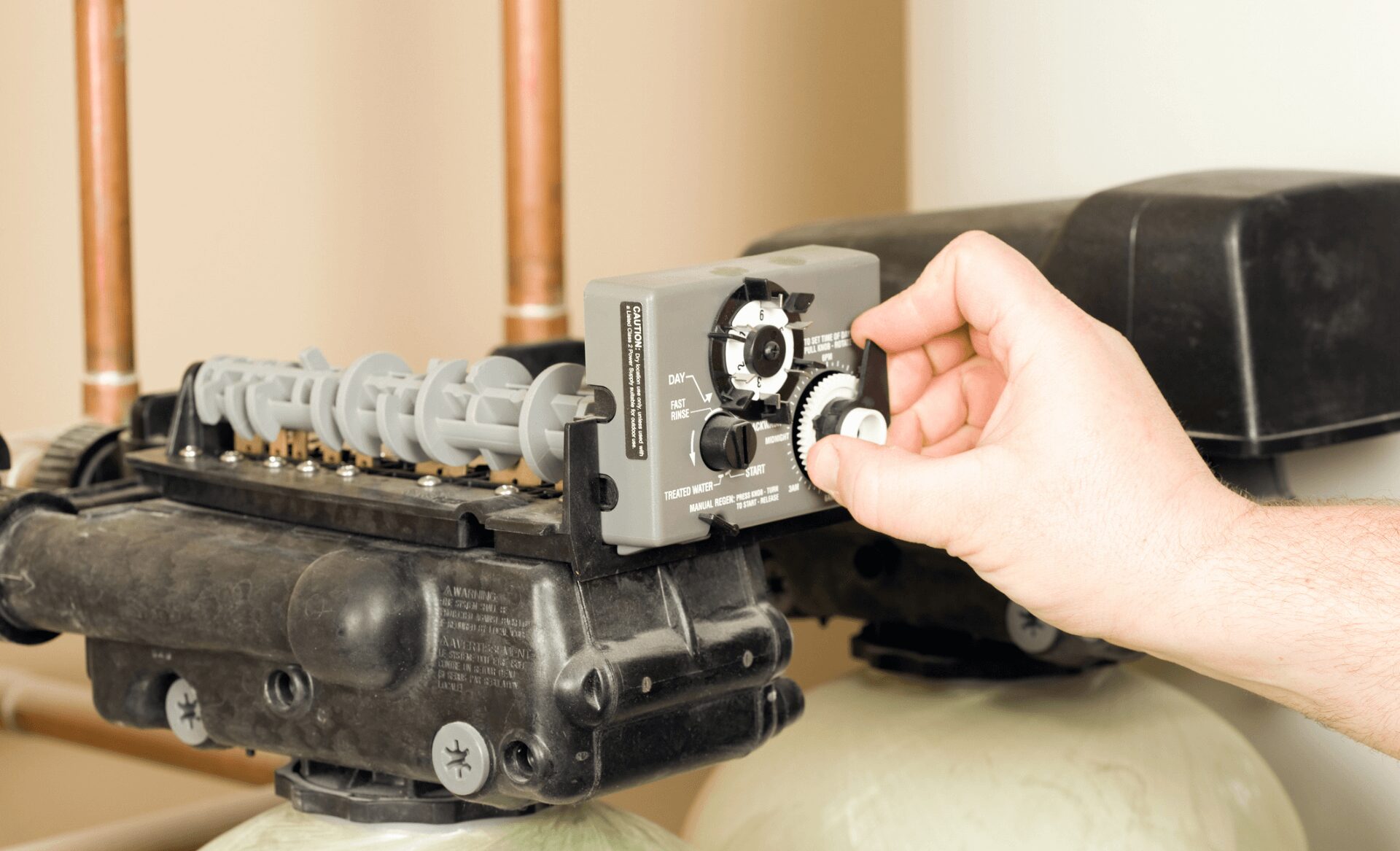
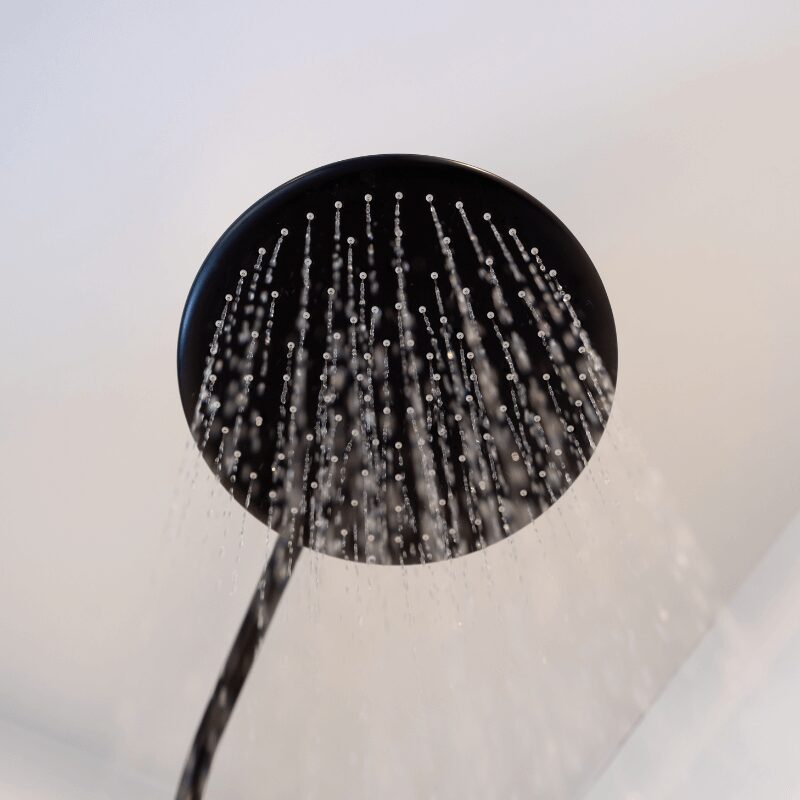
You hop in the shower expecting a strong, steamy blast… but instead, you’re met with a weak drizzle. The dishes aren’t rinsing properly, your sprinkler heads aren’t reaching the far corners of the yard, and suddenly, every faucet in your home seems to be underperforming.
If you’ve recently installed a water softener—or have had one running for a while—you might be wondering: Is this thing slowing down my water pressure?
At Aqua Clear Water Solutions, we hear this question often from homeowners across Southern Texas, and the answer isn’t always a simple yes or no. Let’s dive into how water softeners can affect pressure, when they shouldn’t, and what to do if yours is causing more trickle than flow.
First, Let’s Define Water Pressure vs. Water Flow
Before we start pointing fingers, let’s get our terms straight. Many homeowners use “water pressure” as a catch-all, but what you’re usually noticing is flow rate—the volume of water coming out of a fixture.
Water pressure refers to the force that pushes water through your plumbing, while flow rate measures the amount of water delivered per minute. Both can be affected by your water softener—but only under specific conditions.
Can a Water Softener Actually Cause Low Pressure?
In most cases, a properly sized and professionally installed water softener should not noticeably impact your home’s water pressure. However, certain issues with your system—or your plumbing—could be to blame if your flow starts to suffer. Let’s break it down.
1. Clogged Resin Bed or Media
Inside your water softener is a resin tank that captures hardness minerals. Over time, especially if your water contains high iron or sediment levels (common in Southern Texas), that resin bed can clog. This restricts the flow of water, reducing pressure throughout your home.
If your system is older or hasn’t been serviced recently, have it professionally inspected. A cleaning or resin replacement might be in order.
2. Improperly Sized System
If your water softener is too small for your household’s water usage, it may restrict flow or cycle too often. This often happens when homeowners purchase off-the-shelf units that aren’t tailored to their actual needs.
At Aqua Clear, we size every system based on your water hardness, household size, and usage patterns. If your system isn’t keeping up, it might be time to upgrade.
3. Bypass Valve Is Partially Closed
Every water softener has a bypass valve that lets water flow around the system if needed. If this valve is partially closed (often accidentally during maintenance), it can create a bottleneck.
Check that the bypass valve is fully open. If you’re unsure how, our team can walk you through it or send a technician to confirm everything is set correctly.
4. Sediment Buildup in the Lines
Southern Texas is notorious for water with high sediment, especially in homes on well systems. If your pre-filter or pipes are clogged with debris, it can create pressure problems that appear to be caused by the softener—even if the softener isn’t to blame.
Consider adding a sediment filter before your softener to catch larger particles. We can help determine whether a pre-filter, flush, or line cleaning is needed.
5. Old or Inefficient Equipment
Like any mechanical device, water softeners have a lifespan. If yours is 10–15 years old, the internal components may be deteriorating, restricting flow, and causing inefficiencies.
If your system is outdated, replacing it with a modern, high-efficiency unit—like a Kinetico water softener—can restore full performance and reduce maintenance headaches.
6. Water Softener Regeneration Timing
Water softeners regenerate to clean the resin bed, but if the timing conflicts with high water usage (say, early morning showers), you might notice a drop in pressure during those cycles.
Make sure your system is set to regenerate during low-demand hours, typically in the middle of the night. Newer systems regenerate based on usage, not time, which helps avoid these conflicts entirely.
7. Other Plumbing Issues (It’s Not Always the Softener)
Sometimes, the water softener is blamed when the real issue lies elsewhere, such as old galvanized pipes, corroded fittings, or inconsistencies in the municipal supply.
If your softener checks out, it may be time for a broader plumbing inspection. We can help identify whether the issue is inside or outside your water treatment system.
Here’s What Should Happen With the Right Setup
When correctly installed, maintained, and sized, a water softener should actually enhance your overall water experience, not hurt it. You should notice:
- Strong, consistent flow at every tap
- Reduced mineral buildup in pipes (which improves long-term pressure)
- Better water heater efficiency
- Less soap scum and cleaner dishes
If you’re not getting that? Something’s off—and we’re here to help you figure out what.
Don’t Let Low Flow Ruin Soft Water
A pressure drop shouldn’t mean giving up on your water softener altogether. Most issues are minor and can be easily fixed with the right help. So if you’re dealing with weak flow and wondering whether your system is to blame, let’s get to the bottom of it, together.
Contact Aqua Clear Water Solutions today to schedule your free in-home water test and system check. We’ll help you pinpoint the problem and recommend a solution that gets your water back on track—soft, clean, and full-pressure.