 TRY BOTTLELESS WATER TODAY FOR FREE!
PFAS in Drinking Water: What Homeowners Should Know in 2026
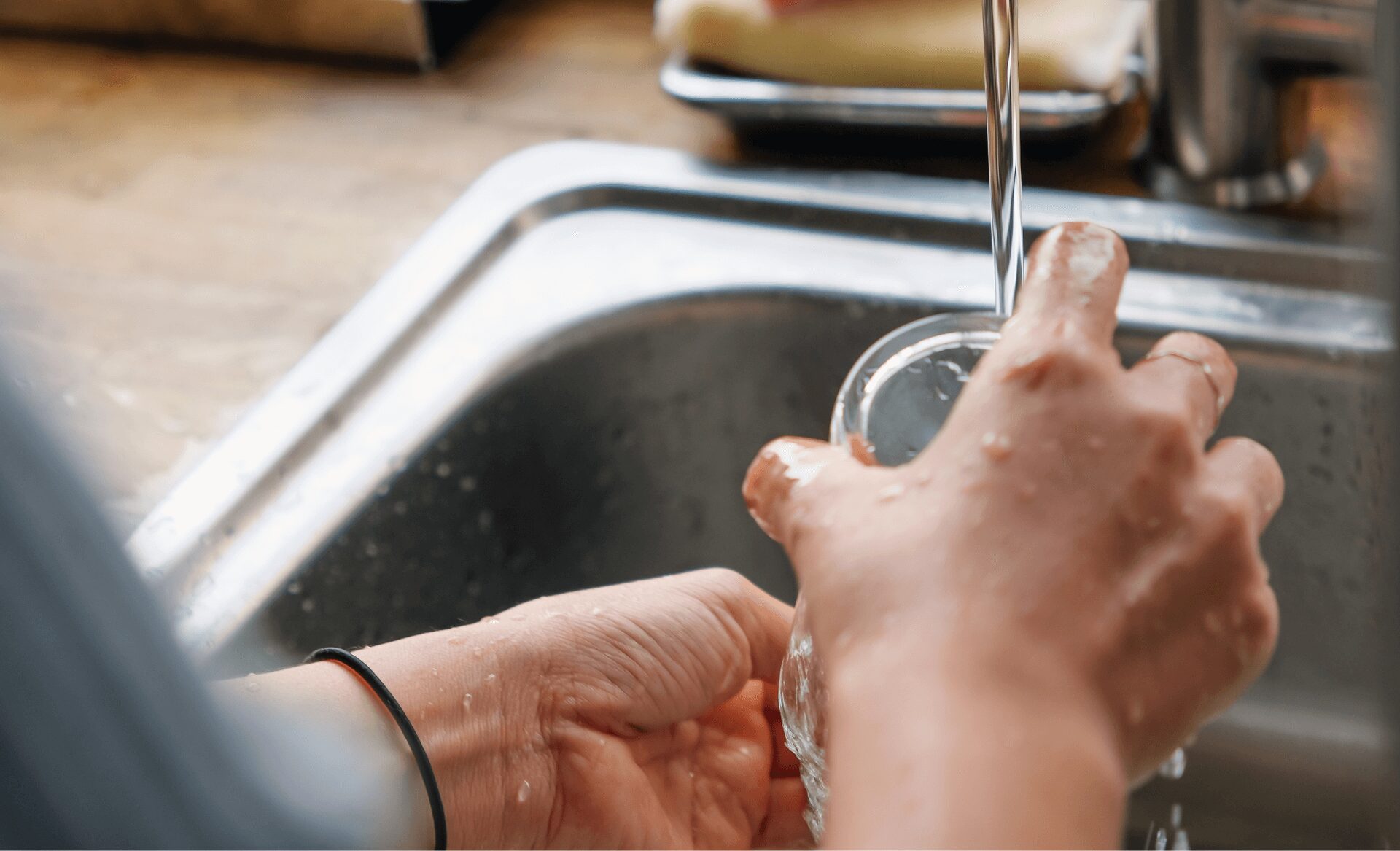
You’ve probably seen the headlines, heard friends mention “forever chemicals,” and maybe even Googled whether bottled water is safer. Here’s the short version: PFAS (per- and polyfluoroalkyl substances) don’t change how water looks, smells, or tastes—but they can still be present at extremely low, measurable levels. That’s why everyone’s paying attention in 2026. At Aqua Clear Water Solutions, we’re helping Rio Grande Valley families understand what’s in their water, what new rules mean, and which filters actually work.
PFAS 101: The Quick, Plain-English Version
PFAS are a large family of man-made chemicals used since the mid-1900s for their nonstick, stain-resistant, and water-repellent superpowers. Think cookware, food packaging, water-resistant fabrics, and—importantly—certain firefighting foams historically used at airports and training sites. They’re nicknamed “forever chemicals” because they break down extremely slowly and can travel far from where they were used.
Two of the best-known PFAS are PFOA and PFOS. You’ll see those names a lot when reading about the PFOA PFOS standard and the new PFAS drinking water limits. In short: federal standards are now extremely strict—measured in parts per trillion—and utilities across the country (including here in Southern Texas) are evaluating and upgrading treatment as needed.
Why PFAS Is on the Radar in Southern Texas
Families in McAllen and throughout the Rio Grande Valley are already used to thinking about hard water and limescale. PFAS adds a new layer: contaminants that you can’t see but may still want to control. You might come across Southern Texas PFAS news tied to legacy sources such as industrial runoff, disposal sites, or areas where firefighting foam was historically used. Not all neighborhoods are affected the same way, and not all utilities report the same results—that’s why local testing and the annual Consumer Confidence Report matter.
Here’s the catch: even if your utility meets the new standard, you might still want an “extra polish” at home—particularly if you’re pregnant, have kids, or simply want the best-tasting, most consistent water at the tap. That’s the “last mile” where we come in.
What the New Rules Mean (Without the Jargon)
Federal PFAS drinking water limits are now very low, and utilities have compliance timelines. Meeting those limits at the plant is one piece of the puzzle; providing water you love to drink at home is another. If your family drinks a lot of water (hello, Valley summers), you brew coffee and tea daily, or you’ve decided to cut back on plastic bottles, point-of-use filtration is a smart, targeted safeguard.
If you’re unsure whether PFAS is present where you live, we’ll help you read your report, run a quick screening, and translate the fine print into a plain-English plan.
What Actually Removes PFAS? (And What Doesn’t.)
This is where marketing claims can get confusing. Not all filters are built the same, and many popular household products aren’t optimized for these ultra-small compounds. When you evaluate PFAS filter options, look beyond buzzwords and check for technology and certifications that are designed for PFAS reduction.
- Reverse Osmosis (RO) drinking water systems: RO membranes are highly effective at reducing many PFAS, especially when paired with the right carbon stages before and after the membrane. For most kitchens in McAllen, a dedicated RO faucet (and fridge/ice connection if you want perfect ice) is the gold standard for everyday drinking and cooking.
- Activated carbon & catalytic carbon: High-quality carbon blocks or granular beds with the right contact time can significantly reduce PFAS, and catalytic carbon is particularly helpful when you also want to address disinfectants like chloramine. Media quality, bed size, and flow rate matter; a thin pitcher cartridge won’t give you the same performance as a professionally designed system.
- Whole-home filtration: If you want house-wide coverage—showers, laundry, every tap—large-capacity carbon systems can provide broad reduction for PFAS and polish out taste/odor (chlorine or chloramine). Many families pair a whole-home carbon system with a kitchen RO to add a final, high-grade barrier where you drink the most.
What doesn’t meaningfully address PFAS? Most small pitchers, basic fridge filters, and “one-size-fits-all” cartridges are not designed or certified for PFAS. If your goal is PFOA/PFOS reduction in line with the PFOA PFOS standard, choose technology intended for that job.
Common Homeowner Questions
“My water looks fine. Why would I filter it?”
PFAS is a molecular-level issue. It won’t cloud the water or create a smell. Filtration here is less about cosmetics and more about confidence and consistency—especially for kids’ water bottles, formula, coffee, and daily cooking.
“Should I switch to bottled water?”
Bottled can be a short-term fallback, but it’s expensive, inconvenient, and plastic-heavy. A kitchen RO costs less over time, tastes better, and avoids the recycling bin pileup.

“Do I need whole-home PFAS treatment or just the kitchen?”
Drinking is the priority, so we always start in the kitchen. If you want the peace of mind of house-wide reduction and taste improvement in showers and laundry, we’ll size a whole-home carbon system that still keeps your water pressure happy.
“Will a softener help with PFAS?”
Water softeners solve hardness and scale—not PFAS. That said, in the Valley, we almost always recommend a Kinetico water softener to stop limescale, plus filtration for PFAS, chlorine/chloramine, and taste/odor. The combo protects appliances and gives your kitchen water that clean, crisp finish you’ll feel right away.
A Practical Game Plan for McAllen & the RGV
We’ve dialed this in for hundreds of local homes, and the winning playbook is simple:
- Test, don’t guess. We’ll do a quick in-home screening, review utility data, and explain where PFAS fits alongside hardness, chlorine/chloramine, and other local factors.
- Treat the point of use (kitchen) first. A compact RO drinking water system handles PFAS and polishes taste for cooking, coffee, and ice. If your fridge water has that “flat” note, we’ll tie RO into the fridge line too.
- Add whole-home carbon if you want broader coverage. A properly sized catalytic carbon system improves taste and odor at every tap and provides PFAS reduction across the house. It also handles chloramine in drinking water better than standard carbon—important as chloramine vs chlorine varies across Texas systems.
- Pair with softening for Valley hardness. Stopping scale protects water heaters, dishwashers, and fixtures. Your towels, glasses, and shower doors will tell the story.
- Keep maintenance simple. We’ll set sensible service intervals, use quality media, and keep replacement reminders easy. You get performance without the upkeep headache.
What About Businesses in the Valley?
Restaurants, cafés, roasters, salons, dental offices—your water shows up in flavor, equipment life, and client experience. We design commercial-grade filters that combine high-capacity carbon for PFAS/disinfectants with RO, where taste and consistency are critical. Your espresso tastes cleaner, your ice smells neutral, and your dishwasher lasts longer.
Why Work With Aqua Clear?
Because the right answer in McAllen isn’t a generic “big box” filter—it’s a local solution sized to your home, pressure, plumbing, and goals. We live on the same aquifers, we read the same reports, and we’ve already solved the mash-up of Valley challenges: hardness, Texas chloramine systems, and now PFAS. We’ll show you options, explain trade-offs, and earn your trust with water you actually want to drink.
Confidence at the Tap
PFAS won’t make your sink foam or your glass turn cloudy. That’s why it’s easy to ignore—and exactly why 2026 is the year to get ahead of it. With the new PFAS drinking water limits in place and utility systems adapting, homeowners have a simple way to control the “last mile”: proven PFAS filter options at the kitchen and, if you want, across the whole home. Pair that with softening for scale and a carbon system tuned for chloramine vs chlorine, and you’ve turned the Valley’s water quirks into an everyday win.
Call us at 956-322-8215 to schedule your free water test and a pressure-friendly plan for your home. We’ll bring the testing, the straight talk, and the fix. You bring an empty glass.