 TRY BOTTLELESS WATER TODAY FOR FREE!
What a TDS Meter Can Tell You About Your Tap Water
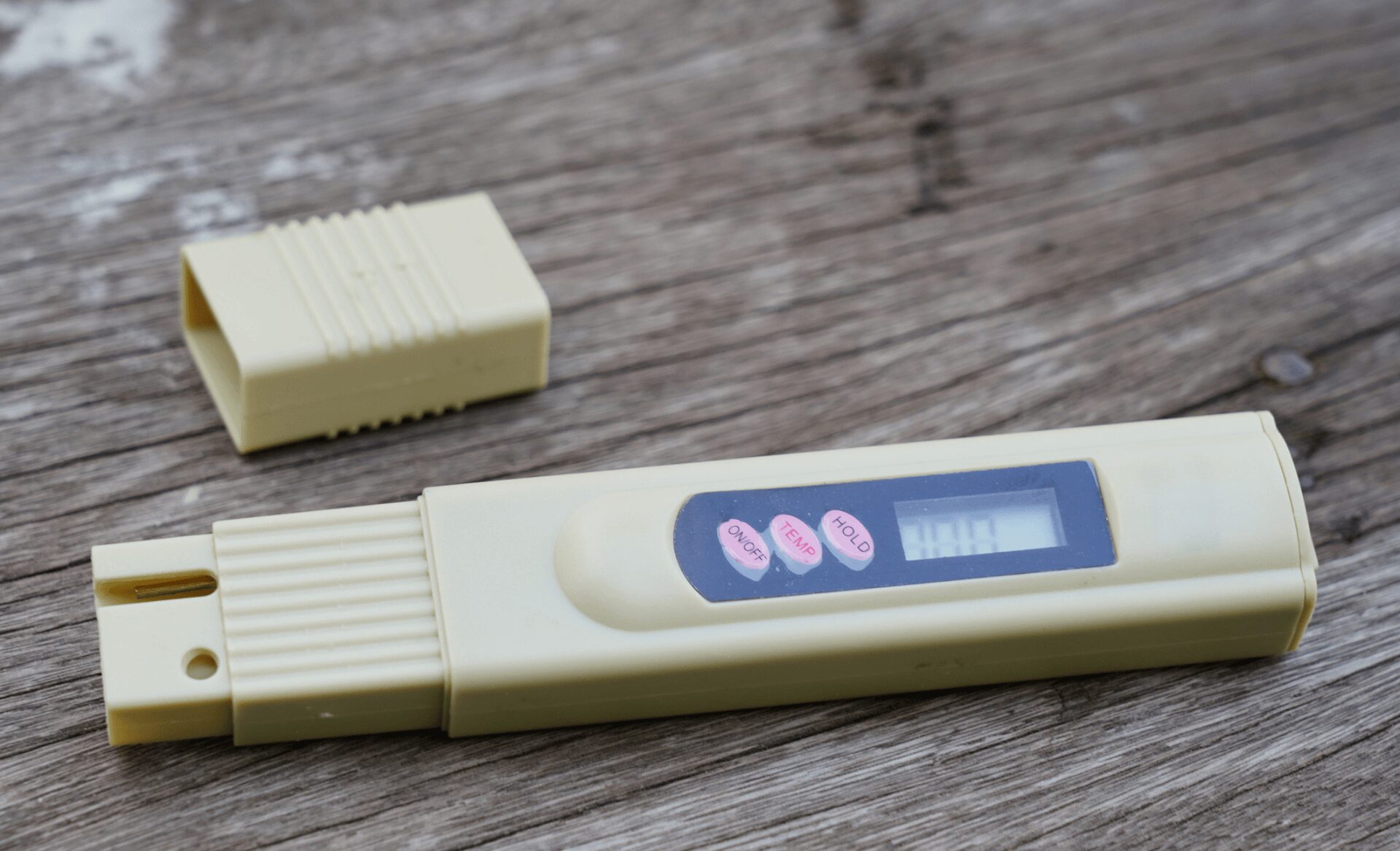
We get it—when you turn on the tap, you expect clean, safe water. It might look clear, taste okay, and seem harmless. But here’s the thing: looks can be deceiving. What if your water was carrying a cocktail of dissolved minerals, salts, metals, or even contaminants you can’t see or taste?
Enter the TDS meter, a small yet mighty tool that can provide a surprisingly eye-opening snapshot of your water quality.
At Aqua Clear Water Solutions, we use professional water testing equipment every day across Southern Texas, and we’ve seen firsthand how much “invisible stuff” hides in tap water. If you’re trying to understand what a TDS meter can (and can’t) tell you about your home’s water, you’re in the right place.
What Is TDS, Exactly?
TDS stands for Total Dissolved Solids, a measurement of the combined content of all inorganic and organic substances dissolved in water. That includes:
Calcium and magnesium (hardness minerals)
- Chloride, nitrates, sulfates
- Sodium and potassium
- Metals like lead, iron, and copper
- Organic matter or chemical residues
A TDS meter measures the conductivity of water, which increases as more substances are dissolved in it. The higher the reading, the more dissolved solids are present.
TDS is measured in parts per million (ppm), and while there’s no hard limit for safe consumption, higher levels often indicate water that could be affecting your appliances, plumbing, and even your health.
What a TDS Meter Can Tell You
TDS meters are great tools for giving you a general overview of water quality. While they don’t tell you exactly what’s in your water, they’re excellent for spotting red flags—especially in areas like Southern Texas where groundwater tends to be mineral-heavy.
1. How Hard Your Water Is
High TDS is often a sign of hard water, especially if you see readings above 300–400 ppm. This usually means you’ve got a lot of calcium and magnesium in your supply, two minerals that cause scale buildup, cloudy dishes, and soap that won’t lather.
2. If Your Filter Is Actually Working
If you’re using a water filtration system or a reverse osmosis (RO) unit, a TDS meter can help you determine its effectiveness. For example, if your incoming tap water measures at 500 ppm and your filtered water reads at 50 ppm, that’s a sign your system is doing its job.
3. If Your Water Might Be Carrying Contaminants
A sudden spike in TDS could signal a problem – maybe from pipe corrosion, groundwater runoff, or other contaminants making their way into your supply. While the meter won’t tell you which contaminants are present, it will give you a reason to dig deeper.
What a TDS Meter Can’t Tell You
Here’s where things get a little trickier. TDS meters have their limits, and relying on them alone can give you a false sense of security.
1. They Don’t Identify Specific Contaminants
TDS readings don’t differentiate between healthy minerals (like calcium) and harmful substances (like lead or arsenic). You could have a perfectly normal TDS level and still be drinking something you really shouldn’t be.
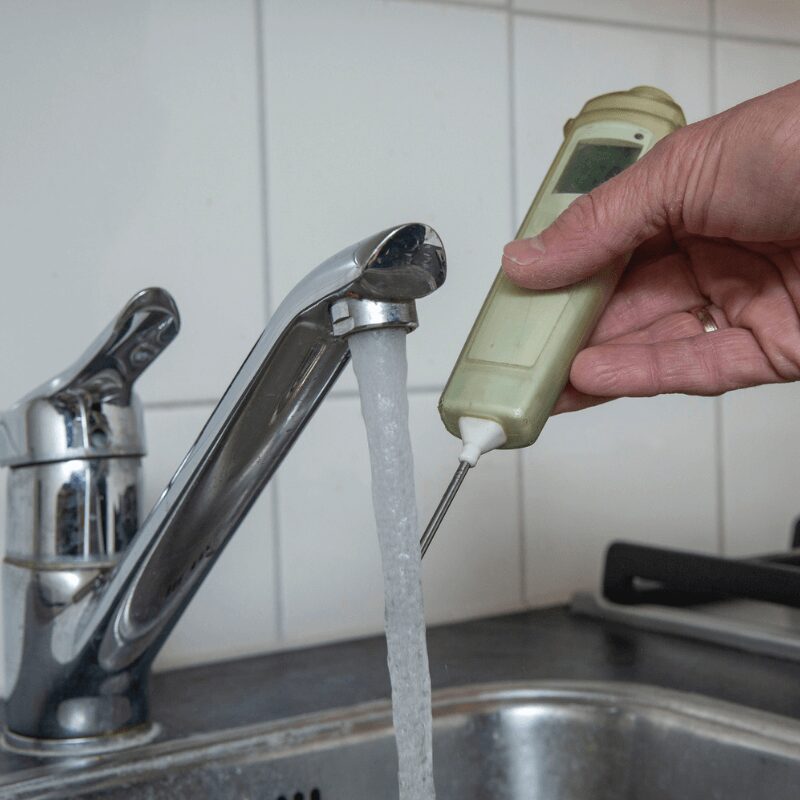
2. They Don’t Detect Bacteria or Viruses
Pathogens like E. coli or Giardia can’t be picked up by a TDS meter. So while your reading might be low, your water could still be unsafe to drink without proper disinfection or filtration.
3. Low TDS Doesn’t Always Mean “Good” Water
Some people assume that water with a very low TDS level (say, under 50 ppm) is “purer,” but that’s not always a good thing. Water that’s too low in minerals can taste flat, corrode plumbing, and even leach minerals from your body over time.
Why This Matters in Southern Texas
In Southern Texas, we see hard water levels that are well above average. Add in aging municipal systems, agricultural runoff, and well water variability, and it’s no wonder so many homeowners are asking questions about what’s in their water.
TDS meters offer a quick look, but they’re just one piece of the puzzle. If you’re noticing problems like:
- Soap scum or residue on faucets
- Frequent appliance breakdowns
- Water that tastes metallic, salty, or off
- Dry skin and hair after every shower
…it’s time for a more thorough evaluation.
The Aqua Clear Solution – Real Answers, Not Just Numbers
At Aqua Clear Water Solutions, we don’t just hand you a TDS reading and call it a day. We offer comprehensive water testing that identifies exactly what’s in your water, and more importantly, how to fix it.
Whether your issue is hard water, chlorine, iron, PFAS, or bacteria, we’ll recommend a system tailored to your specific needs and budget. We proudly install:
- Kinetico water softeners for hard water and scale
- Specialty filters for chemicals and odors
- Reverse osmosis units for high-quality drinking water at the tap
- Salt-free conditioning systems when preferred or required
No guesswork. Just clean, safe, reliable water—backed by experts who know South Texas water inside and out.

Trust Your Gut (And Test Your Water)
That little TDS meter might be helpful, but it’s not the final word on water quality. If you really want to know what you’re drinking, and whether your water is protecting or damaging your home, it’s time to go beyond the numbers.
Let Aqua Clear Water Solutions help you take the next step. Schedule your free water test today and let us show you what’s really in your water—and how easy it is to fix it.