 TRY BOTTLELESS WATER TODAY FOR FREE!
What is a Water Hardness Test?
You’ve scrubbed the same cloudy spots off your dishes for the third time this week. Your showerhead looks like it’s been dipped in white crust. And no matter how much conditioner you use, your hair still feels dry and brittle. Sound familiar?
If you’re a homeowner in Southern Texas, chances are you’ve already had a run-in with hard water, even if you didn’t know it by name. And the best way to confirm what’s actually flowing through your pipes? A water hardness test.
At Aqua Clear Water Solutions, we perform water hardness tests daily for homeowners like you in Southern Texas. Whether you’re on city water or have your own well, understanding your water hardness level is the first step toward solving all those subtle (and not-so-subtle) issues. So let’s break it down.
First Things First: What Is Hard Water?
“Hard water” simply means your water contains high levels of dissolved minerals, primarily calcium and magnesium. These minerals are harmless to drink but create a long list of household headaches, from:
- Scale buildup in pipes, faucets, and appliances
- Stiff laundry and dull clothing colors
- Dry skin and brittle hair
- Reduced efficiency of water heaters and dishwashers
- Soap that won’t lather or rinse properly
In Southern Texas, hard water is extremely common due to the mineral-rich soil and aquifers. That’s why so many homeowners in the region experience the effects without realizing what’s behind them.
Why Is Hard Water So Common in Southern Texas?
At Aqua Clear Water Solutions, we’ve tested thousands of water samples from homes across Southern Texas, and the results are almost always the same: high levels of hardness minerals, especially calcium and magnesium. And there’s a good reason for that.
Most of the water in our region comes from natural underground aquifers, like the Edwards, Carrizo-Wilcox, and Gulf Coast formations. These aquifers are surrounded by limestone and other mineral-rich rock, and as water moves through them, it absorbs those minerals before it ever reaches your home.
Due to our dry climate and limited rainfall, we rely more heavily on these underground sources than other regions do. Unlike rainwater or treated surface water, groundwater tends to carry a significantly heavier mineral load.
That’s why hard water is such a persistent issue in homes across San Antonio, Austin, Corpus Christi, McAllen, and everywhere in between. If you’re seeing spots on your dishes, feeling that filmy residue on your skin, or noticing your appliances wearing out faster than expected, you’re not alone. It’s not just a plumbing issue, it’s a regional reality.
The good news? Once we test your water and confirm your hardness level, we can build a system that treats it at the source, so you get clean, soft water from every tap in your home.
So, What Is a Water Hardness Test?
A water hardness test is a simple diagnostic tool that measures how many minerals—specifically calcium and magnesium—are dissolved in your water supply. The results are typically measured in grains per gallon (gpg) or milligrams per liter (mg/L).
Here’s what those levels usually look like:
- Soft: 0–3.5 gpg
- Moderately Hard: 3.6–7 gpg
- Hard: 7.1–10.5 gpg
- Very Hard: 10.5+ gpg
Most areas in Southern Texas fall well into the hard or very hard category. And the higher your number, the more likely you’ll deal with buildup, inefficiencies, and higher utility bills.
How Is a Hardness Test Performed?
There are a few ways to test for water hardness:
1. DIY Test Kits
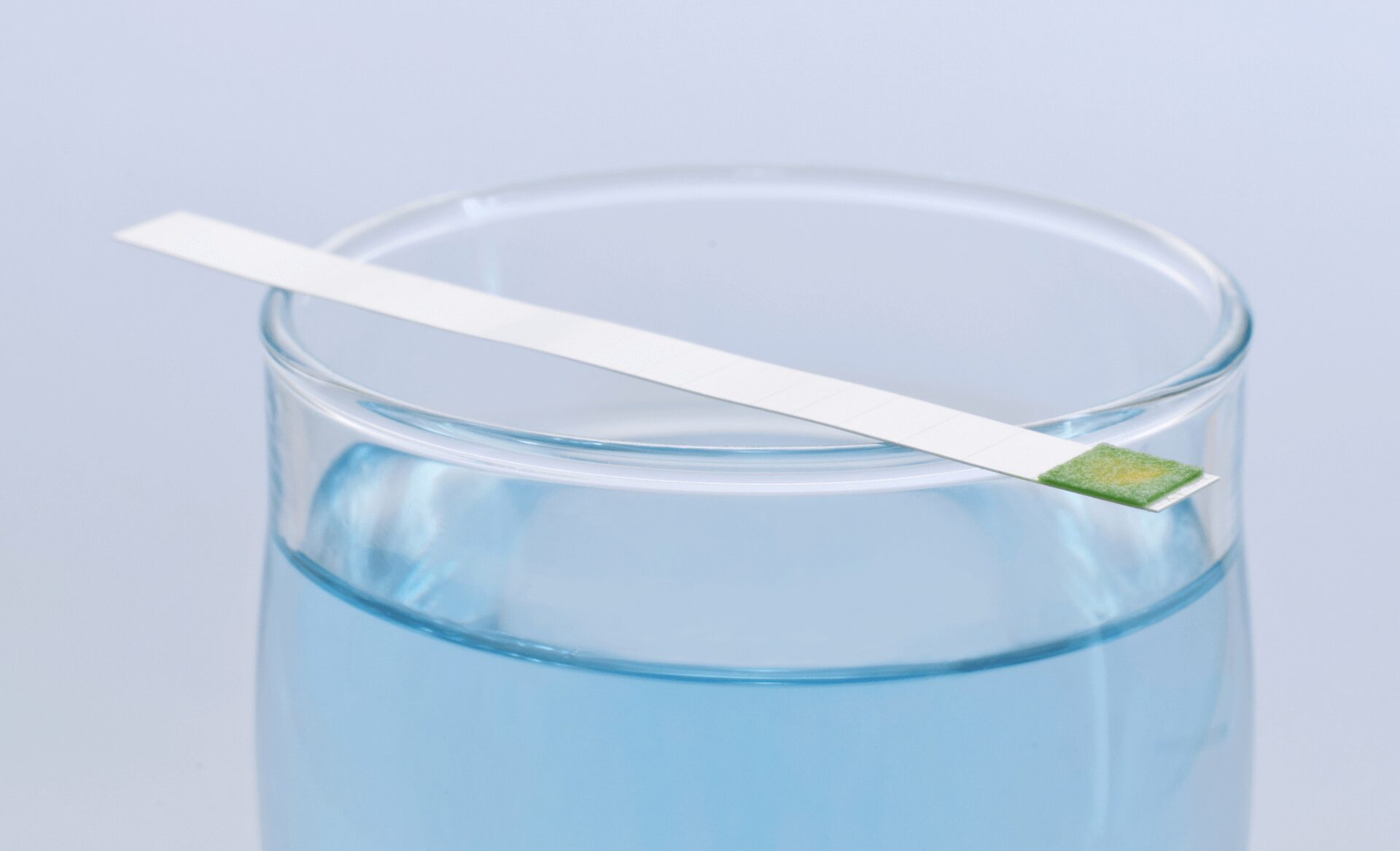
Available at most hardware stores, these test strips give a quick and general sense of your water hardness level. They’re simple to use but not always the most accurate, and they won’t tell you much beyond just “hard” or “soft.”
2. Professional Water Testing
At Aqua Clear Water Solutions, we offer complimentary in-home water testing that exceeds basic strip tests. We provide an exact measurement of your water hardness and look for other water quality issues like chlorine, iron, and pH imbalances. It’s the fastest, most accurate way to fully understand what’s happening with your water.
Why Knowing Your Water Hardness Matters
If your water is hard but you don’t test it, you’re basically guessing your way through home maintenance and hoping for the best. A water hardness test helps you:
- Protect your plumbing system from scale buildup that can lead to clogs and corrosion
- Increase appliance lifespan by preventing sediment from damaging water heaters, dishwashers, and washing machines
- Save on energy costs—just 1/16 inch of scale can reduce water heater efficiency by up to 12%
- Improve water quality for bathing, cleaning, and drinking
- Make informed decisions about water softeners or filtration systems
Without testing, you could end up overspending on cleaning products, replacing appliances more often, or even installing the wrong kind of water system for your home’s needs.
Hard Water Is a Southern Texas Staple, But It Doesn’t Have to Stay That Way
We’ve tested thousands of water samples from homes across Southern Texas, and the results are almost always the same: high mineral content that leads to serious wear and tear over time.
You might be used to the signs—spotted dishes, stiff laundry, soap that never quite rinses off—but once you experience life with soft water, there’s no going back. A water hardness test is the starting point, and Aqua Clear is here to walk you through what comes next.
A Simple Test with Big Benefits
You test your smoke detectors. You test your pool water. You get your car checked out when the engine light comes on. So why not test something you use every day—your water?
A water hardness test is quick, free, and incredibly telling. And once you know what you’re dealing with, you can take real steps to protect your home, your appliances, and your family’s comfort.
Ready to test your water? Contact Aqua Clear Water Solutions today to schedule your free water hardness test. We’ll help you find out what’s in your water—and what to do about it.