 TRY BOTTLELESS WATER TODAY FOR FREE!
Why Your Water Softener’s Regeneration Schedule Might Be Costing You More Than It Saves
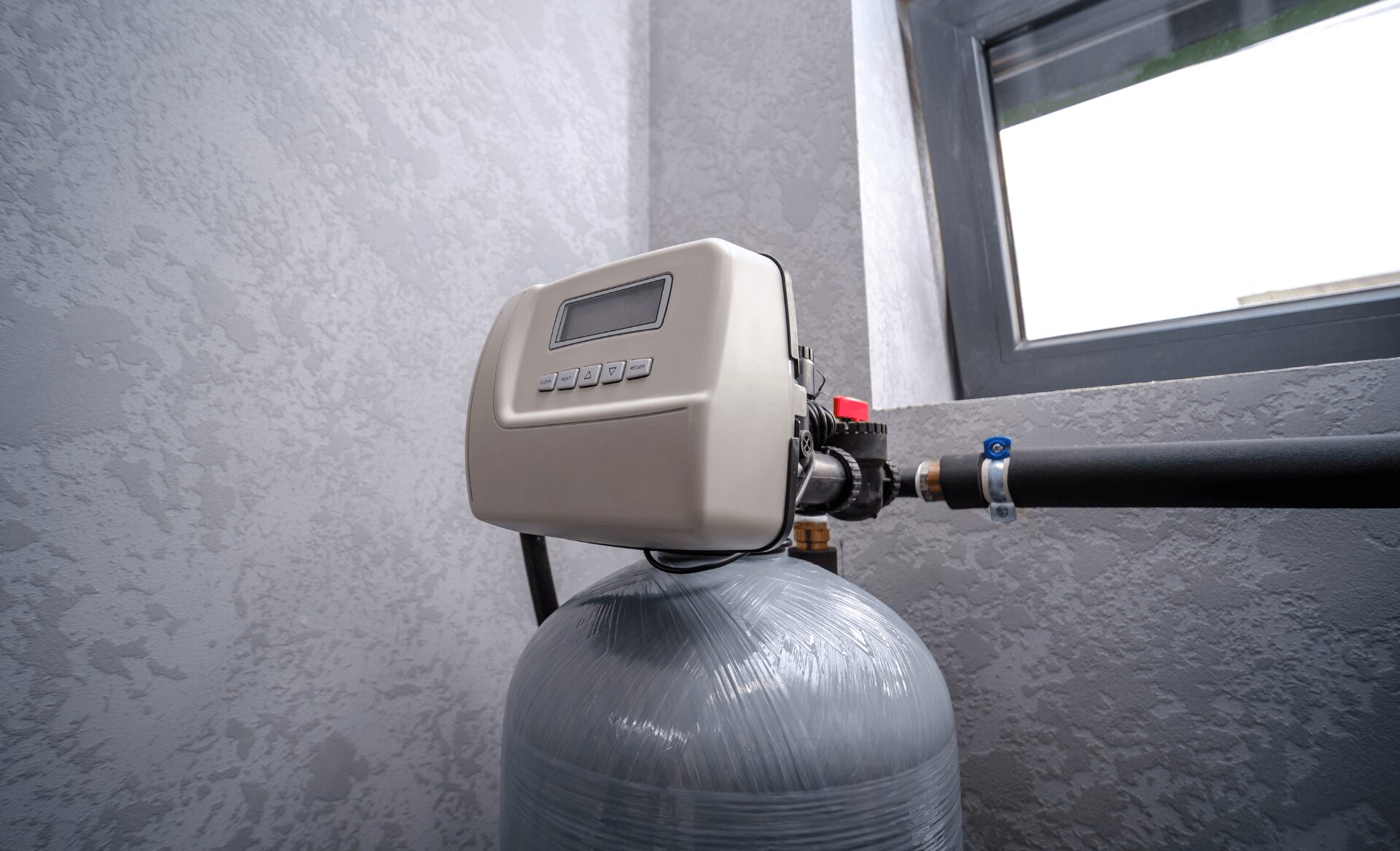
If you own a water softener, there is a good chance it runs on a timer. Most softeners sold through big-box stores and many general contractors do. And if it runs on a timer, there is also a good chance it is regenerating more often than it needs to—using salt, wasting water, and adding cost every time it does.
This is not a design flaw that most companies will advertise. But it is one worth understanding before you spend another year filling a salt tank on someone else’s schedule. Here’s what Aqua Clear Water Solutions wants you to know about your water softener’s regeneration schedule and how it’s costing you moneyl.
How Water Softener Regeneration Works
A water softener removes hardness minerals—primarily calcium and magnesium—from your water by passing it through a resin bed. Over time, that resin becomes saturated and needs to be recharged. That recharging process is called regeneration.
During regeneration, the softener flushes the resin bed with a saltwater brine solution, releasing the captured minerals and resetting the system so it can continue softening. This process requires salt, uses water, and temporarily takes the system offline.
The question is: when should regeneration happen?
The Problem With Timer-Based Systems
Most conventional water softeners use a timer to schedule regeneration. The system is set to regenerate at a fixed interval—often every three days, or every night at 2 a.m.—regardless of how much water has actually been used.
On a week when your household is home and using plenty of water, that schedule might make sense. On a week when you are traveling, or when usage is lower, the system regenerates anyway. Salt is consumed. Water is used to flush the system. And the softener runs a full cycle on resin that did not need to be recharged. Over the course of a year, those unnecessary regeneration cycles add up, especially in salt costs, in water usage, and in wear on the system itself.
Demand-Initiated Regeneration: A Different Approach
Kinetico water softeners use a different method called demand-initiated regeneration. Instead of running on a clock, the system monitors how much water has actually been used and regenerates only when the resin has reached its capacity, not before.
This means regeneration happens when it is needed, not when it happens to be scheduled. Households that use less water in a given period do not trigger an unnecessary cycle. Households that use more water trigger regeneration sooner. The system adapts to your actual usage rather than forcing your usage to fit a preset schedule.
The practical result is that Kinetico softeners use significantly less salt over time than timer-based systems. Some estimates put the reduction at up to 70 percent compared to conventional timer-based softeners. That is less salt to purchase, less salt to carry, and less salt flushed into the wastewater system.
The Twin-Tank Advantage
Kinetico’s softeners also use a twin-tank design, which addresses another limitation of single-tank systems. During regeneration, a single-tank softener goes offline. That means hard water can pass through to your fixtures and appliances until the cycle is complete.
With a twin-tank system, one tank is always in service. While one tank regenerates, the other continues softening. The result is uninterrupted soft water around the clock—including during overnight regeneration cycles when most systems run their timers.

What This Means for Your Wallet
The cost difference between a timer-based and a demand-initiated softener is felt most clearly over time. A timer-based system may appear less expensive upfront, but the ongoing salt and water costs accumulate. In South Texas, where hard water is the norm and softeners run consistently, those costs are not trivial.
When you pair lower salt consumption with a longer service life, the total cost of ownership often favors the more efficient system, even when the purchase price is higher.
How to Know If Your Current System Is Overworking
If your water softener runs on a timer and you are going through salt faster than expected, or if you notice your system regenerating frequently even during low-usage periods, those are signs worth paying attention to. A water professional can evaluate your current system and your household’s usage patterns to help you understand whether what you are paying for salt and water is aligned with what your home actually needs.
Aqua Clear Water Solutions offers free water consultations for homeowners across McAllen and the Rio Grande Valley. If you are shopping for a water softener for the first time or evaluating whether your current system is the right fit, we can walk you through the options without pressure.
Contact us today, and let’s make sure you don’t waste another dollar!