 TRY BOTTLELESS WATER TODAY FOR FREE!
Your Skin and Hair After a Month With Soft Water
What’s Actually Happening & What’s the Hype?
If you have spent any time researching water softeners, you have probably come across a long list of beauty benefits. Softer skin. Shinier hair. Less frizz. More lather. Better hydration. Some of this is real. Some of it is oversold.
So what kind of hype should you buy into? Thankfully, Aqua Clear Water Solutions is here with an honest breakdown of what actually changes when you switch from hard to soft water, and what you can reasonably expect within the first month.
First, What Hard Water Actually Does
Hard water contains elevated levels of dissolved calcium and magnesium minerals. In McAllen and across the Rio Grande Valley, hard water is the norm—the region consistently registers high mineral content due to its water sources and geology.
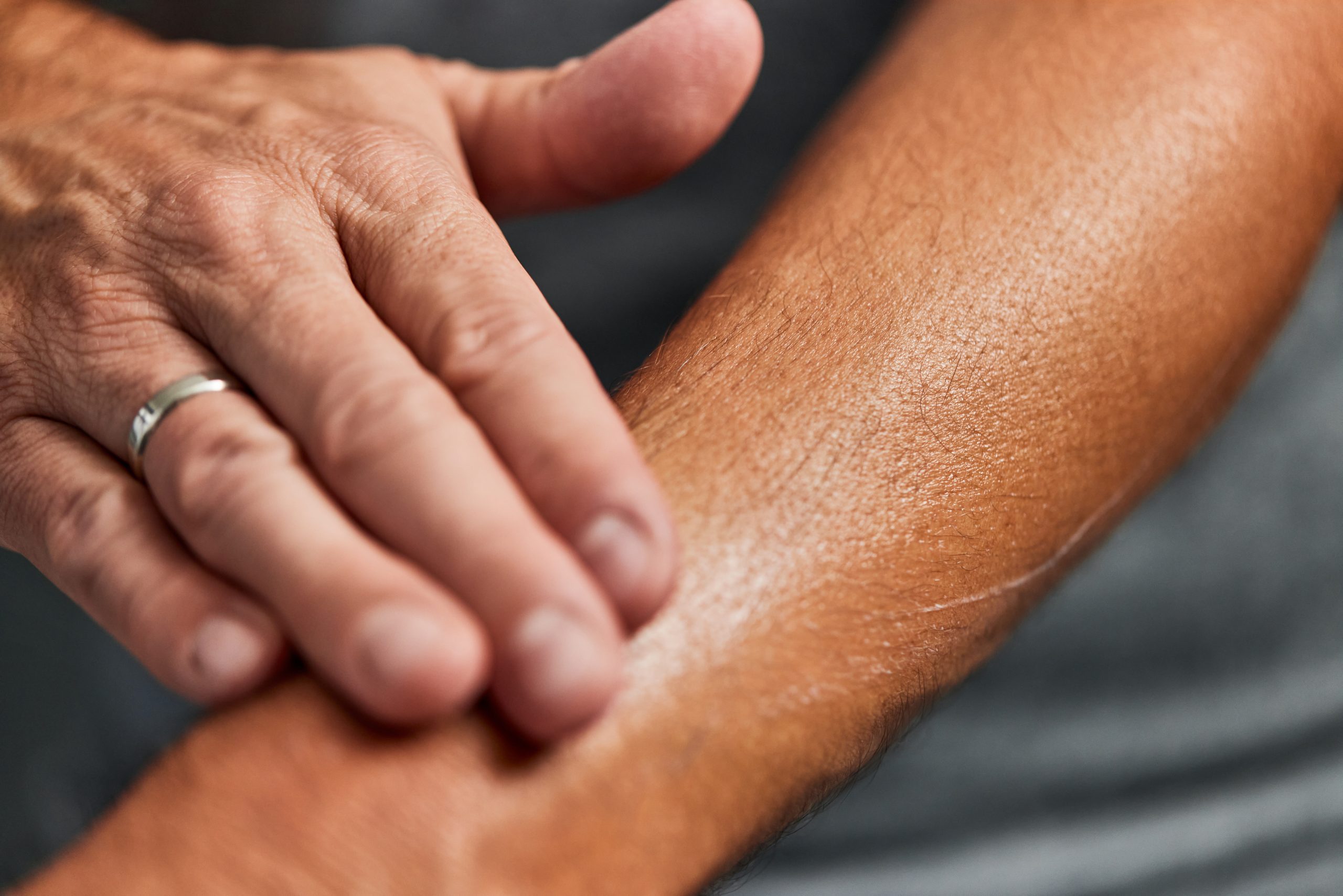
When hard water comes into contact with your skin, those minerals do not simply wash away cleanly. They leave behind a subtle residue that can interfere with your skin’s natural moisture barrier. Over time, this can contribute to dryness, irritation, and a feeling that your skin never quite feels fully rinsed.
For hair, the effect is more visible. Hard water minerals bind to the hair shaft and gradually build up on the cuticle, or the outermost layer of each strand. This buildup makes the cuticle rougher, which scatters light instead of reflecting it, giving hair a dull appearance. It also makes strands more prone to tangles, breakage, and frizz, because rough cuticles catch on each other instead of lying flat.
What Soft Water Changes & What Doesn’t
When you switch to soft water, those minerals are removed before the water reaches your shower or sink. The immediate mechanical effect is that water rinses more completely. Soap and shampoo lather better, which means you can use less product to get the same clean. Residue does not accumulate on skin or hair to the same degree.
Within the first week or two, most people notice that their skin feels different after washing: less tight and less dry after the water dries. Hair often feels noticeably softer to the touch within a similar timeframe, as the absence of ongoing mineral buildup allows the cuticle to lie smoother.
By the end of a month, many people report a visible improvement in hair shine and a reduction in the amount of moisturizer needed after showering. These changes are real and grounded in the mechanics of how minerals affect skin and hair structure.
What Takes Longer or Requires More Than Soft Water
Existing mineral buildup in your hair does not disappear overnight. If you have been washing with hard water for years, there is an accumulated deposit on the hair shaft that soft water alone will not immediately dissolve. A clarifying shampoo treatment can help speed up that process, but the full effect of soft water on hair appearance can take several weeks to months to fully emerge.
Skin conditions like eczema or psoriasis have a complex relationship with water quality. Some research suggests that hard water can aggravate certain inflammatory skin conditions, and some people with these conditions do report improvement after switching to soft water. But soft water is not a treatment, and anyone managing a skin condition should continue working with a dermatologist alongside any environmental changes they make.
The Softness Adjustment
One thing that catches many people off guard in the first week or two is that soft water feels different in a way that can take some getting used to. Many people describe it as slippery. That sensation comes from the absence of mineral residue. As a result, your skin’s natural oils are not being stripped away the same way they were before, and the water rinses without leaving that mineral film behind. It is not product buildup. It is simply what water feels like without dissolved rock.
Most people adjust quickly and come to prefer it. But it is worth knowing in advance, so the first shower does not feel like something went wrong.
The Soap and Product Savings
One practical benefit that does not get enough attention is how soft water affects your product usage. Because soft water lathers much more efficiently, most people naturally use less shampoo, body wash, and soap than they did before. Over the course of a month, that reduction in product consumption is noticeable. Over the course of a year, it adds up to real savings.
The same principle applies to laundry — clothes washed in soft water tend to come out feeling softer, and you need less detergent to get them clean. This is one of those downstream benefits that makes a water softener feel like it is working even when you are not thinking about it.
The Bottom Line
The skin and hair benefits of soft water are real, but they are mechanical, not magical. Soft water removes the minerals that interfere with how soap works, how the hair cuticle behaves, and how thoroughly water rinses from the skin. Within a month of switching, most people can feel and see a difference. The full picture takes longer to develop, and soft water is not a substitute for good skincare or hair care practices.
What it is, is a change to the foundation. And in South Texas, where hard water is a daily reality in virtually every home, that foundation matters.
If you’re ready for softer water in your home, contact the team here at Aqua Clear Water Solutions. You’ll be glad you did!